
Transportation & Communication
For most of Pictou Island’s history, every person, letter, load of freight and emergency message had to cross the Northumberland Strait. Islanders relied on small boats, coastal steamers, winter ice routes, mail carriers, telephone lines, aircraft and, eventually, scheduled ferry service. Each new connection changed Island life, but none removed the influence of weather and water.
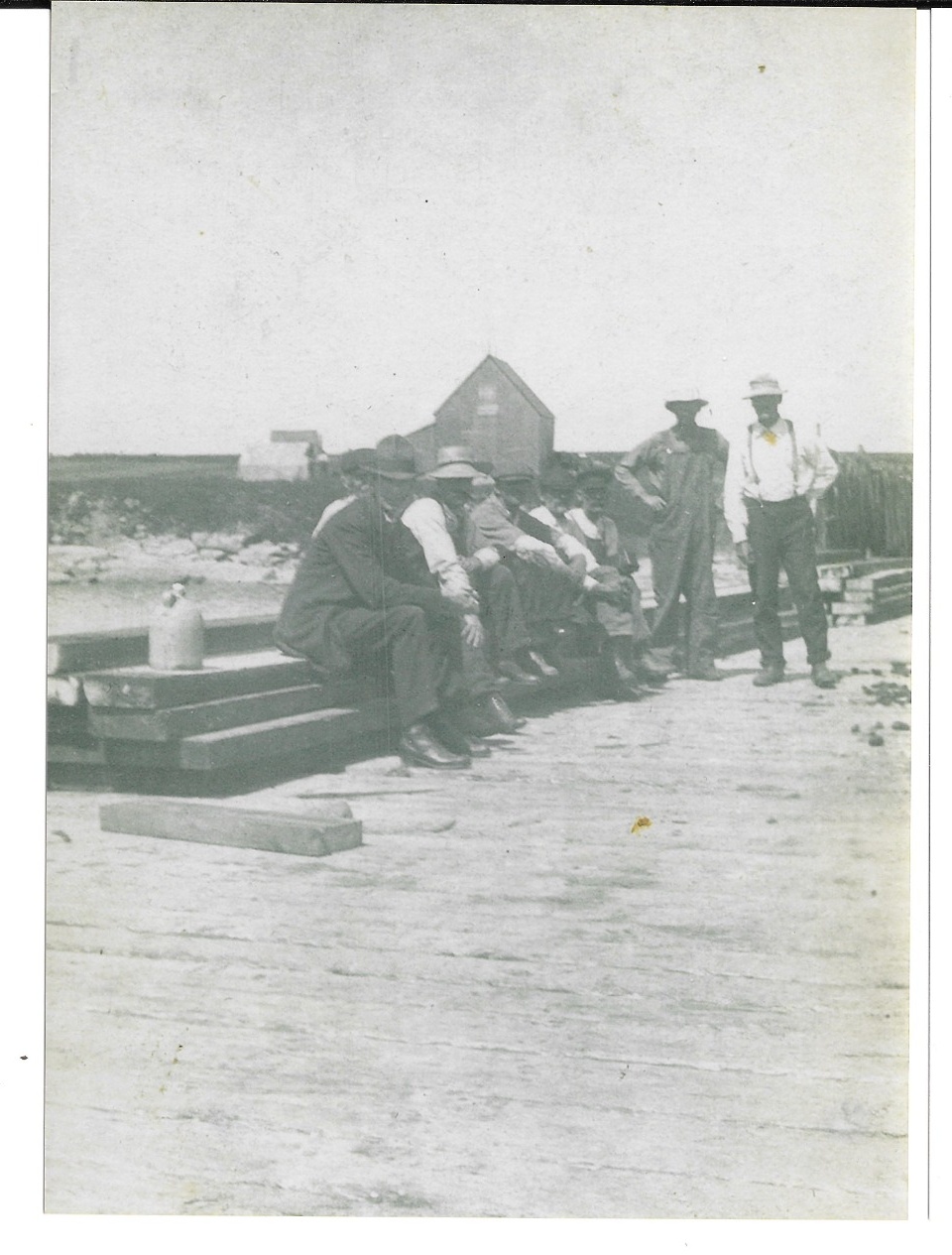
Wharves and coastal service
Wharves were workplaces as well as points of arrival. Federal records document a West Wharf by 1880 and construction at the East Wharf in 1882–83. The East Wharf was damaged in 1906. Materials were procured for a proposed reconstruction in 1908–09, but the following report records the wharf as destroyed by 1910; it does not establish that the proposed reconstruction was completed. People, fuel, food, mail and building materials passed through these landing places. The East Wharf’s exact modern location remains uncertain.
Iceboats and winter isolation
When open-water travel failed, Islanders sometimes crossed the Strait by iceboat. The preserved boat and the stories attached to it show the skill and risk involved in moving through broken ice and open leads. Its builder, operator and twentieth-century mail service are explored in the iceboat article.
Mail and freight
Mail and freight tied Island households to services on the mainland. Community history places the beginning of air-mail service in the early 1940s, and a postal record documents an Air Stage flight to Pictou Island on 1 April 1949. Aircraft joined the boats and winter routes on which Islanders depended.
Telephone and submarine cable
A submarine telephone cable laid in July 1921 gave Pictou Island a new connection with the mainland. Repairs followed, and radio later provided another way to communicate when ice damaged the cable. The system was modernized by Maritime Tel & Tel in 1976; the exact landing points of the original 1921 cable remain unknown.
Ferries and modern connections
Photographs document ferry service by the 1920s, while older wharves and informal crossings reach further back. Later ferries and aircraft made travel more regular without making it independent of weather. The often-repeated date of 1910 for the start of organized ferry service has not yet been confirmed by a dated service record.
Sources and further reading
- The Pictou Island Iceboat — related article
The surviving boat, its crews and winter mail service.
- Living by the Strait — PIHS exhibit
PIHS history of transportation, iceboats, ferries, mail and communications.
- Ruth Munro, Pictou Island (1984)
Local history; telephone chapter on printed pages 35–36 and wider Island context.
- Pictou Island — Getting Here
Community account of ferry and early air-mail connections; exact dates remain qualified.
- Marine Atlantic — SS Stanley
Institutional history of Northumberland Strait service, 1888–1909.
- Marine Atlantic — SS Minto
Institutional history of PEI–Nova Scotia passenger, mail and freight service, 1899–1914.
Sources and evidence notes
The overview draws on the PIHS transportation research and Ruth Munro’s history. Ferry service by the 1920s is supported by photographs; the often-repeated 1910 start date has not been confirmed by a dated service record. The original 1921 cable landing points and a continuous early air-mail timetable remain open research questions. See the iceboat and winter-steamer articles for detailed crossing histories.