
Walk across Pictou Island today and it can be difficult to picture the roads, fields and gathering places of a larger year-round community. Yet the records tell us that children filled classrooms, farms raised food and livestock, boats worked the fishing grounds, and islanders sustained churches, a hall, stores, mail connections and public services.
This exhibit does not treat the census as the whole story. Numbers tell us how many people were counted; photographs, household records and remembered lives help explain what those people did. Explore an island that once supported a complex community—and the family connections and places through which it can still be understood.
Chapter 1
An island of households
Pictou Island did not spring into being as a settled community on one recorded day. Patterson’s later account links the Cochrane estate with early families around 1814, while a more durable Highland Scottish settlement stream began around 1819.
Households formed through stages, not a single founding event. Retrospective accounts place a Cochrane-directed family settlement effort at about 1814, followed by a durable Highland Scottish settlement stream beginning around 1819. Kenneth McKenzie follows in 1820.
By 1827, Island-level published agricultural data recorded 59 residents and 116 cultivated acres with mixed crops and livestock; a later deed referred to a 10 May 1830 division plan; William MacKay’s 1834 map included panel V124a; and the verified 1838 return recorded 119 residents represented by 17 named household heads.
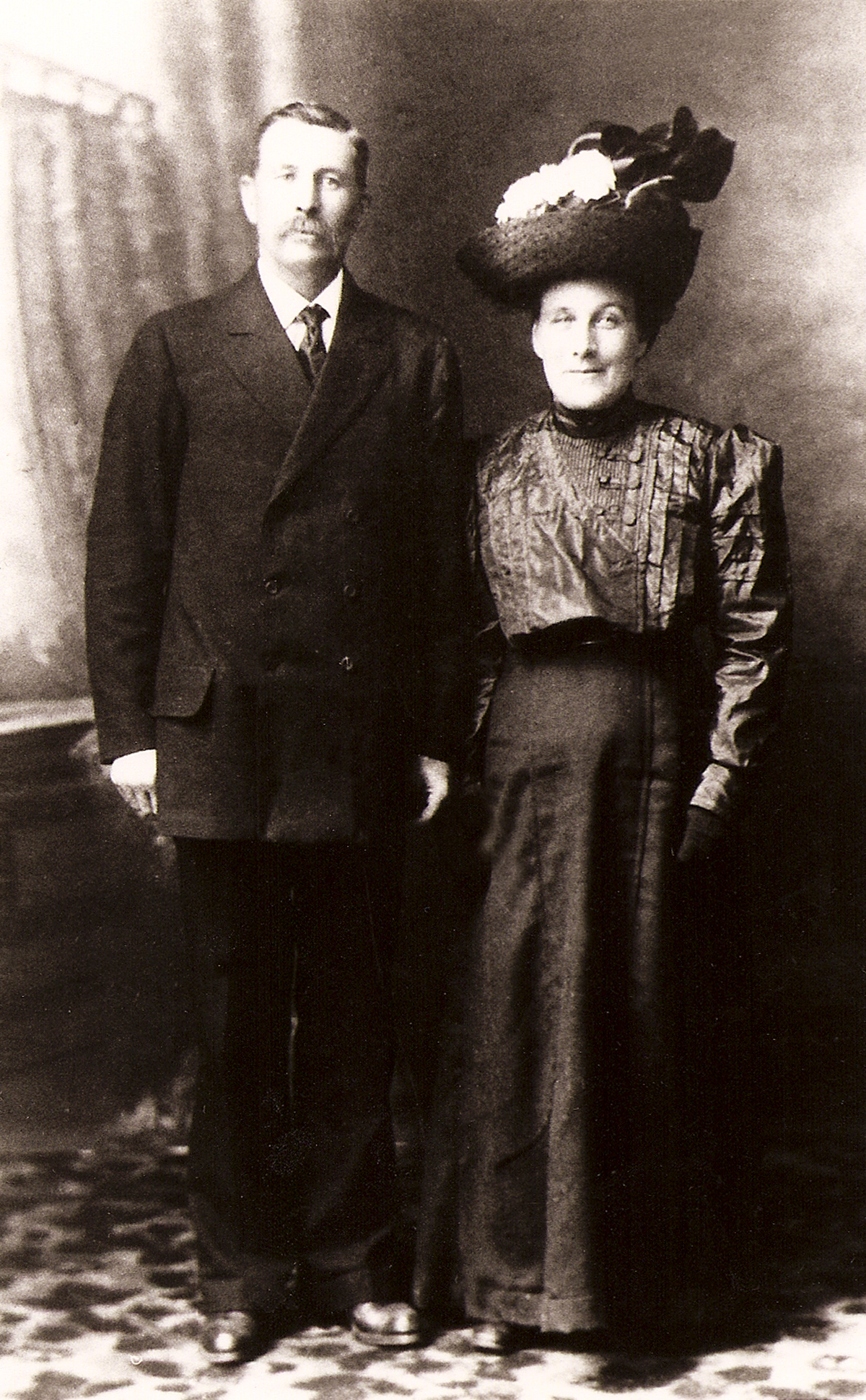
By the nineteenth and early twentieth centuries, families were connected through kinship, roads, shore landings, community institutions and the sea. Not every early household relationship or landholding is known.
 Enlarge & zoom
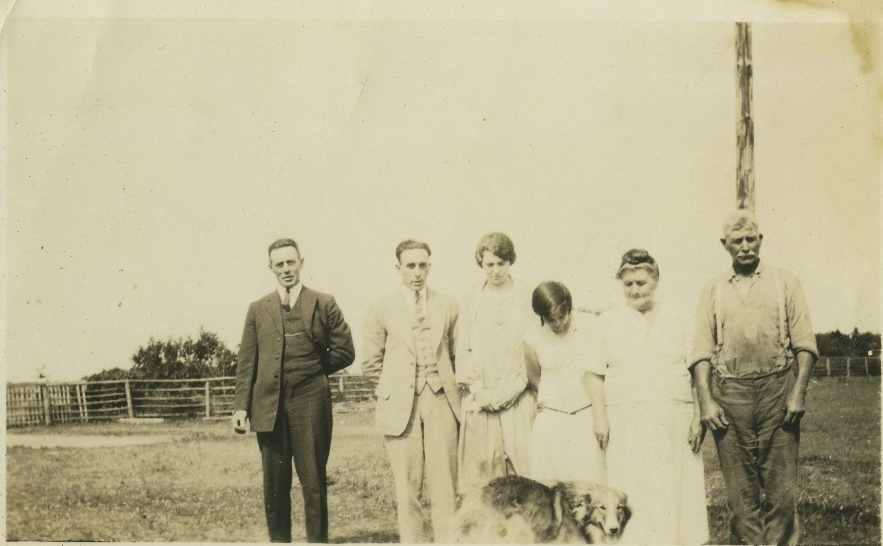
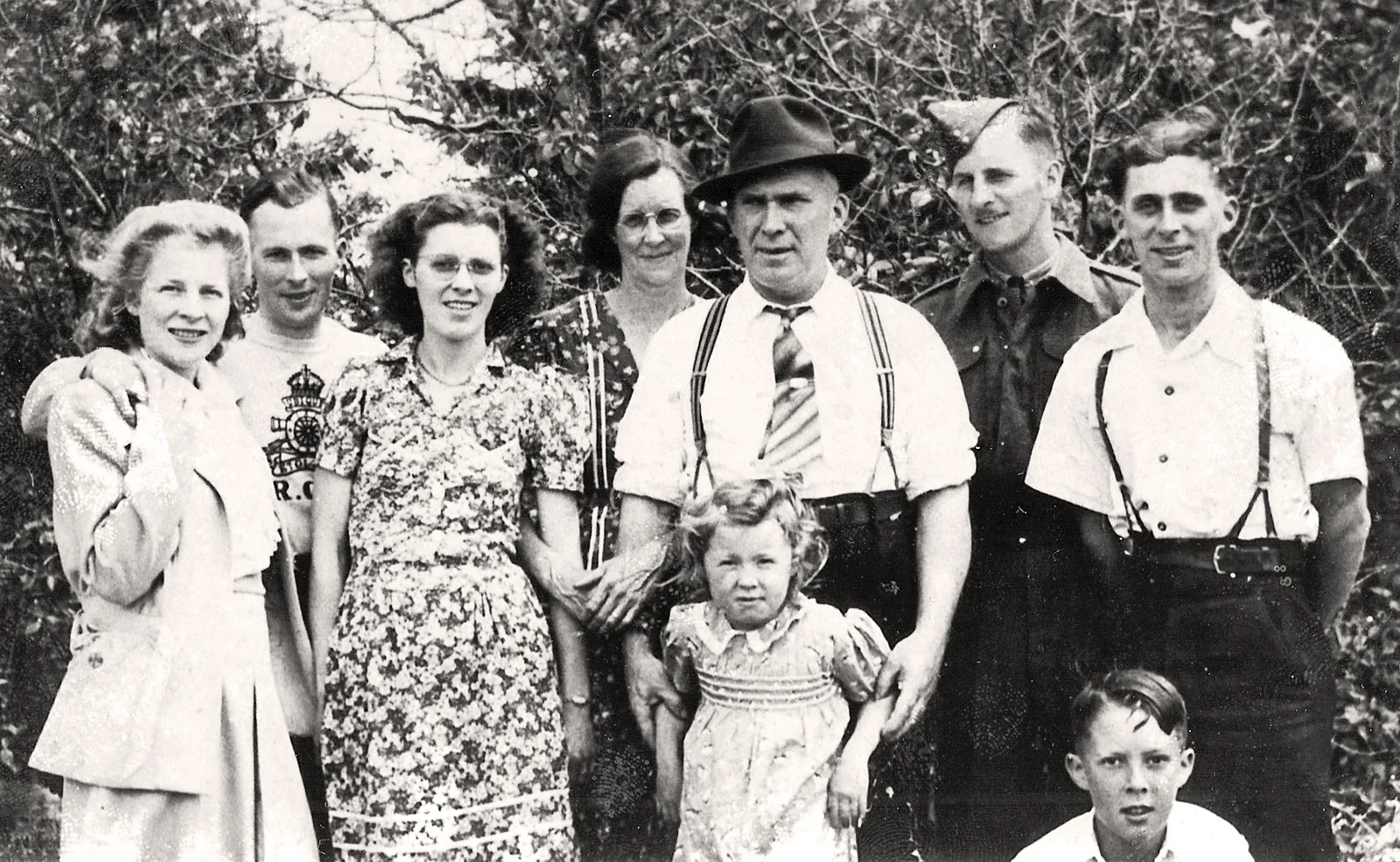
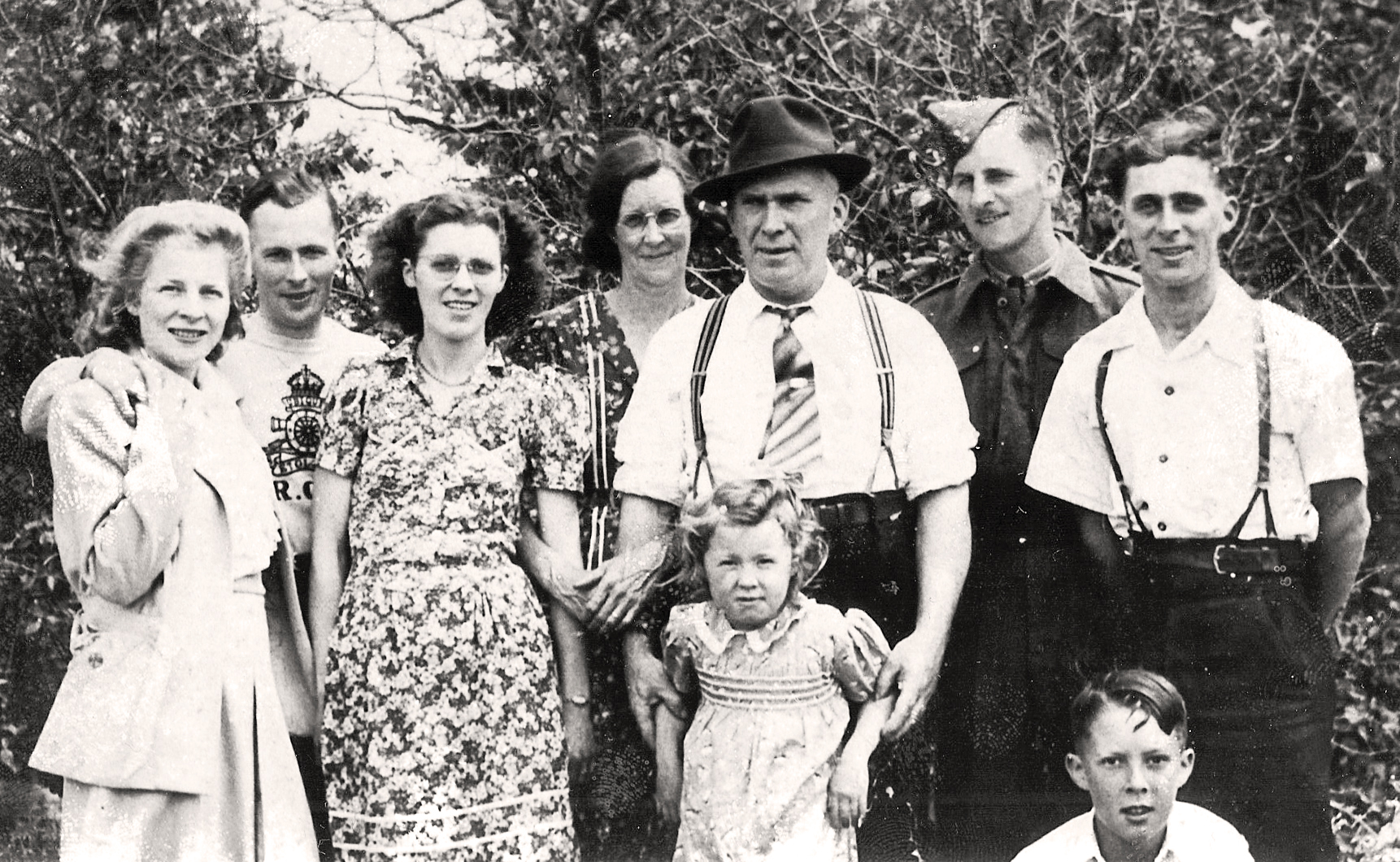
Hooper family photograph
Chapter 2
Family names become a community
Family names recur in census pages, cemetery stones, fishing records, deeds and letters. Those records illuminate a community, while each claimed family relationship still requires its own evidence.
Familiar family names appear throughout Island history: in census records and deeds, at the lighthouses and fisheries, in schools and churches, and on cemetery stones.
These records reveal some family connections, though people with the same surname did not necessarily belong to the same household or family line.
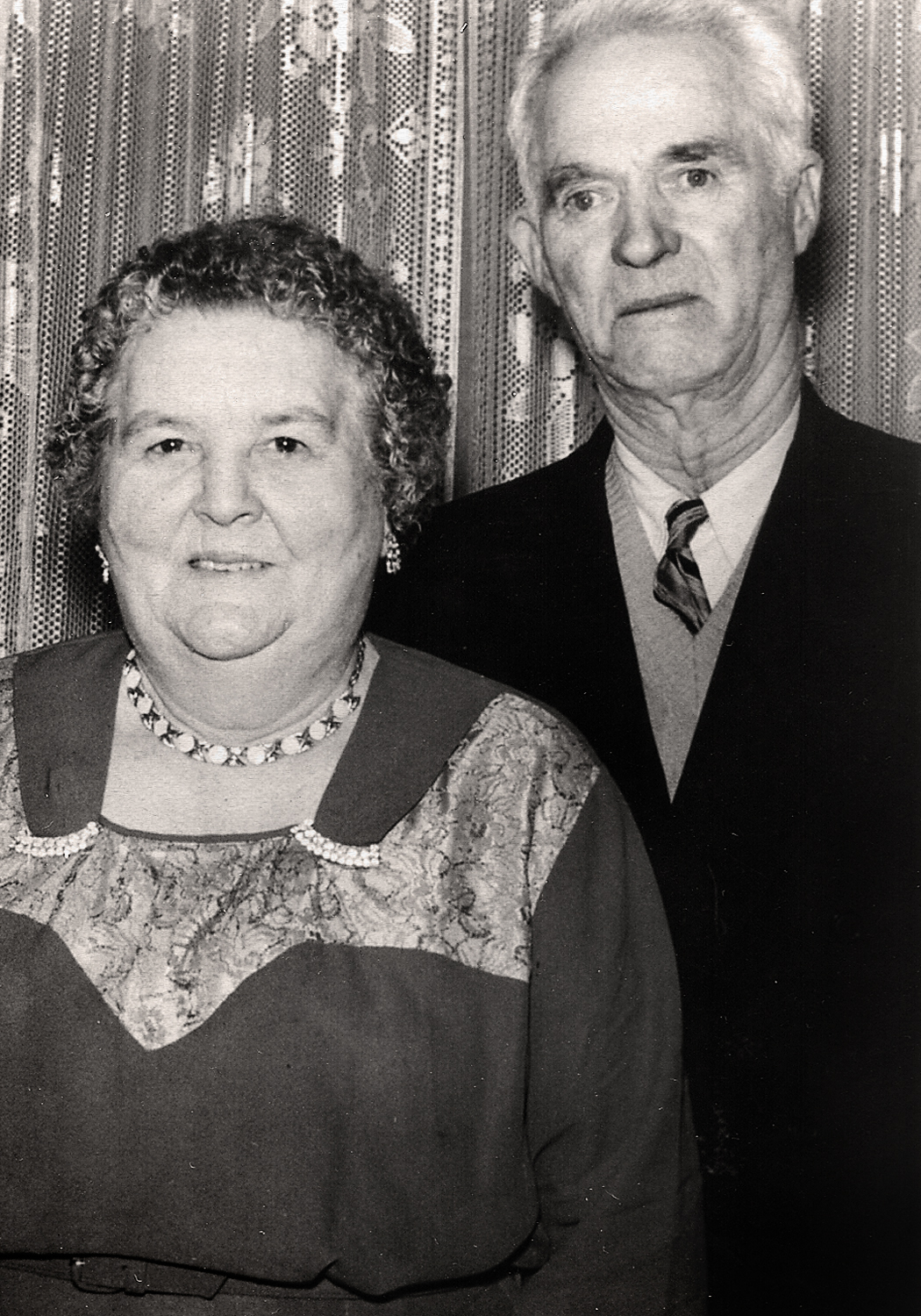
The Hooper records show how a household can be followed across different sources. In 1911, James Hooper appears as head, Dollie as wife and infant Lenord as son. In 1931, James and Dolina appear together in Unit 12, while Len and Roland are recorded in Unit 13. June Elaine Hooper’s 1945 marriage record names James Hooper and Delina MacCallum as her parents. The records preserve the variants Dollie, Dolina and Delina, and Lenord and Len; they do not establish a relationship to every other Island Hooper family.
Chapter 3
Work was everywhere
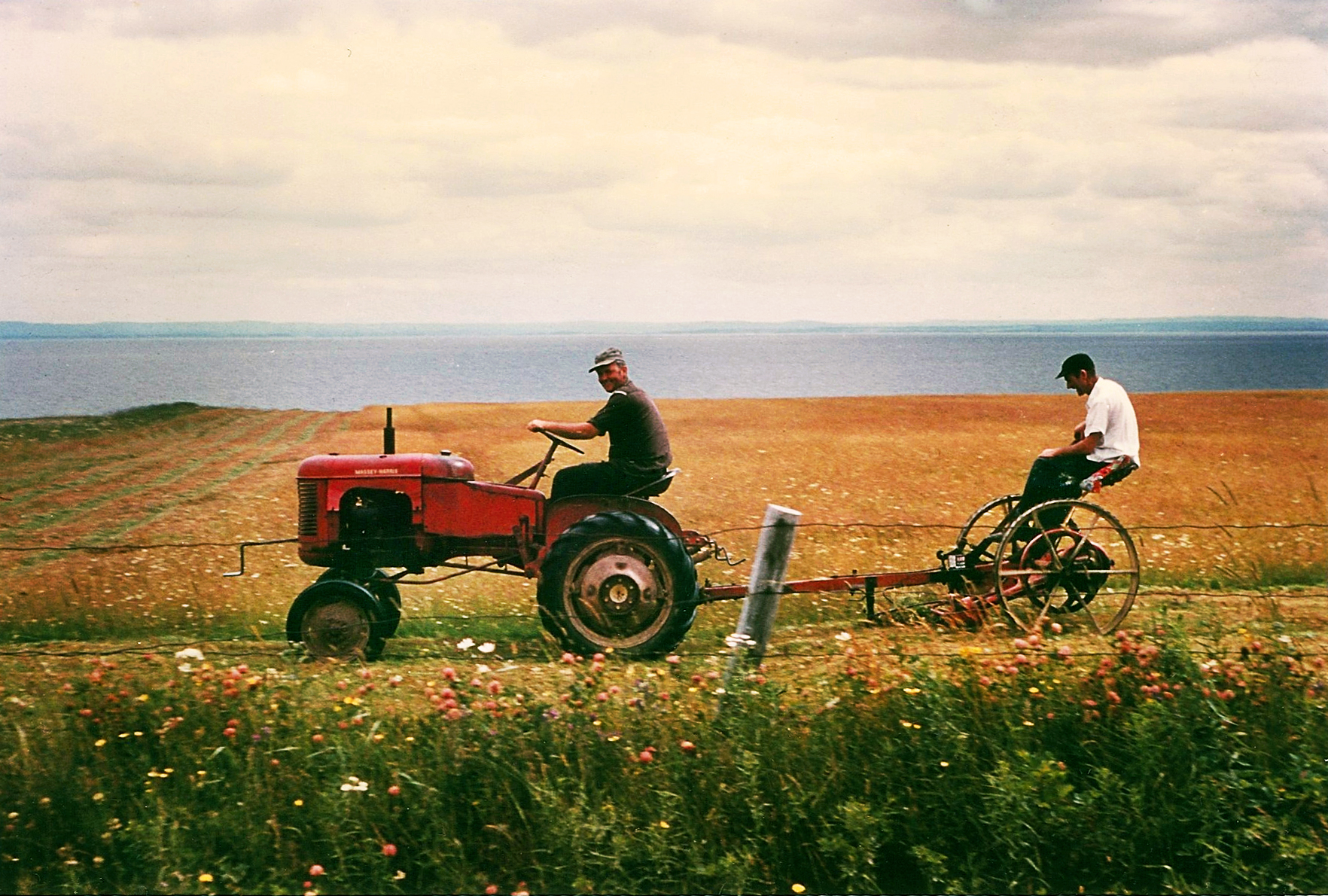
There were boats to tend, fields to mow, animals to feed, traps to prepare, homes to maintain and goods to bring across the Strait. A 1907 visitor described farming alongside fishing; the 1931 occupation records show both important to the economy.
Island life depended on many kinds of work: farming, fishing and lobster processing, keeping the lights, carrying people and mail, trades, household work and neighbours helping one another.
In April 1907, visitor Evangeline Heartz described an Island community where people both farmed and fished.
Families combined paid and seasonal jobs with growing food, caring for households and other unpaid work.
The 1931 census listed 287 people: 224 residents and 63 temporary non-residents. Farming and fishing supported the year-round community, while seasonal workers also came to fish. The total of 287 is not a count of the resident workforce.
 Enlarge & zoom
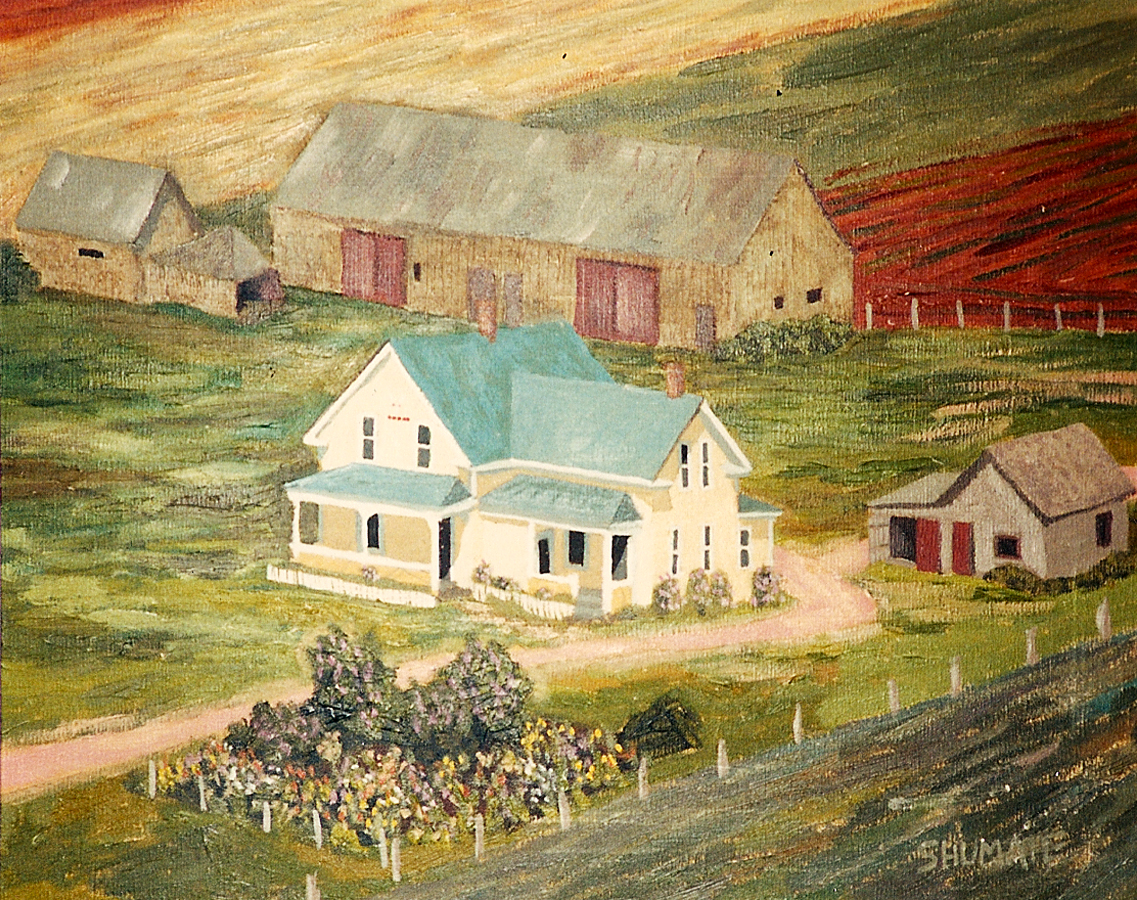
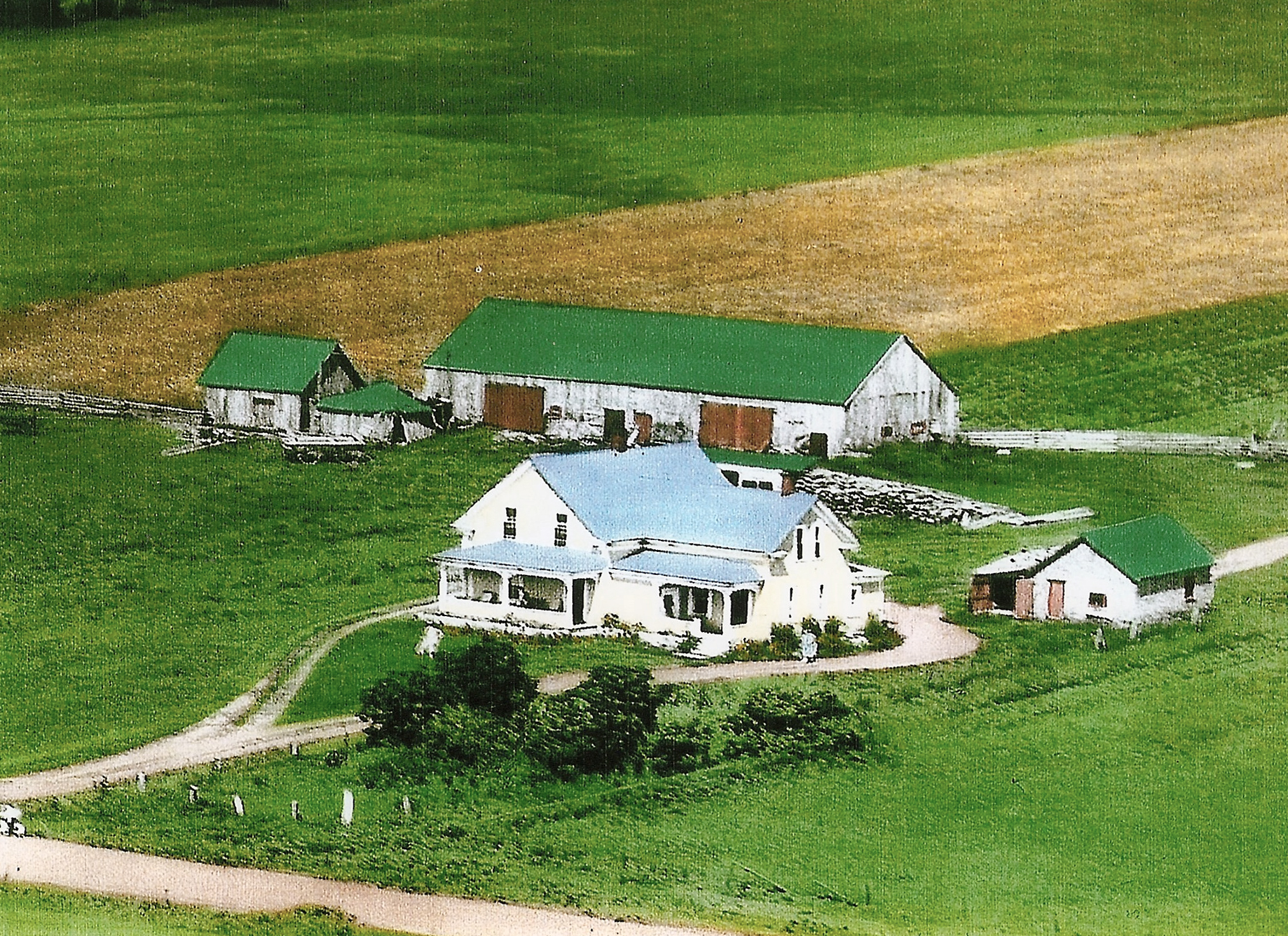
An aerial view of the Jack and Mary Rankin farm
Chapter 4
Children, school and the future
A community with children needed teaching spaces and people to teach them. School records and local accounts trace changing buildings, generations of pupils and the place of education in Island life.
Generations of Island children learned close to home. Today, the former school building serves as a community centre.
In 1845, Islanders petitioned for a school, a breakwater and a road. The Assembly Journal records the petition, though it does not say funding was granted. Education reports say no school operated in the year ending October 1882; a schoolhouse was built in summer 1884 and classes were held the following winter. How these records relate to an earlier reported fire in 1874 remains uncertain. The present community centre is a later building.
Hilton McCully remembered teaching 18 or 19 children, from Primary through Grade 10, in the Island’s one-room school during 1944–45 and 1945–46. He recalled an uninsulated building, a stove that needed tending in winter and everyday repairs. Local knowledge places that school on the site of today’s Community Centre at 783 Pictou Island Road; the present building came later.
Evangeline Heartz wrote about an Island school in the Pictou Advocate on 16 April 1907. Her account does not identify the building or its exact location.
The provincial directory listed one teacher and about 37 pupils in 1957–58. In 1959–60 it listed one teacher and 28 pupils, from Primary to Grade 9. The directories do not establish when the building was constructed.
Learning continued after regular classes ended. On 30 March 1999, the Island school, then described as having one teacher and three pupils, became the last Canadian public school connected under SchoolNet. A K-Net account tells how the equipment reached the Island and was installed.
Some details remain uncertain, including the early fire and building sequence, teacher listings for 1936–38, the reported 1958 building date and a reported 1985 reopening. Regular public-school classes ended in 1971, with the wider transition continuing into 1972.
Chapter 5
The social island
Islanders made time for worship, picnics, singing, dances, jokes, card games and community events. By April 1907 there was a hall as well as a school and post office; when travellers from Stanley were stranded in March, a professional troupe performed in the post office rather than the hall.
Evangeline Heartz mentioned an Island hall in the Pictou Advocate in April 1907. An 1898 land transaction may relate to its earlier history, though the deed has not yet been checked. The stranded comedy company performed at the post office that March.
News, music, humour, nicknames, stories and dances brought Island households together.
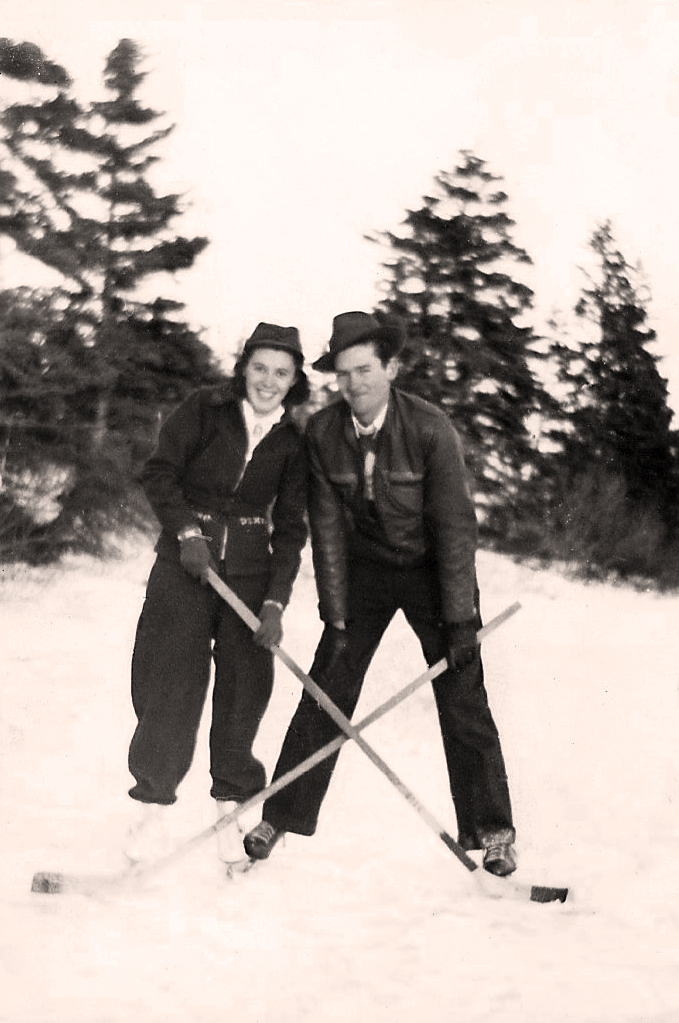
In 1975, Roland H. Sherwood recalled “Little Duncan,” “Big Duncan” and “Jack Happy,” and remembered “Punch” Patterson as a celebrated storyteller. He wrote of music at home, dances, frolics, weddings, birthdays, funerals, evening visits and fireside stories, as well as Island songs about wrecks and rescues. Sherwood recalled a musical instrument in every home. Ruth Munro’s account of Chester R. MacCallum connects farming, an early ferry partnership and Island hockey.
Punch Patterson and Eddie Glover appear in a historic iceboat photograph. Jack “Happy” MacDonald worked in a cannery, fished and served at the West Lighthouse; a later account remembers his part in a 1945 emergency. In March 1907, Jere McAuliffe’s stranded company performed in the post office. A newspaper described it as the Island’s first theatrical performance.
These stories offer glimpses of Island social life, though the people behind some nicknames are not always known.
 Enlarge & zoom
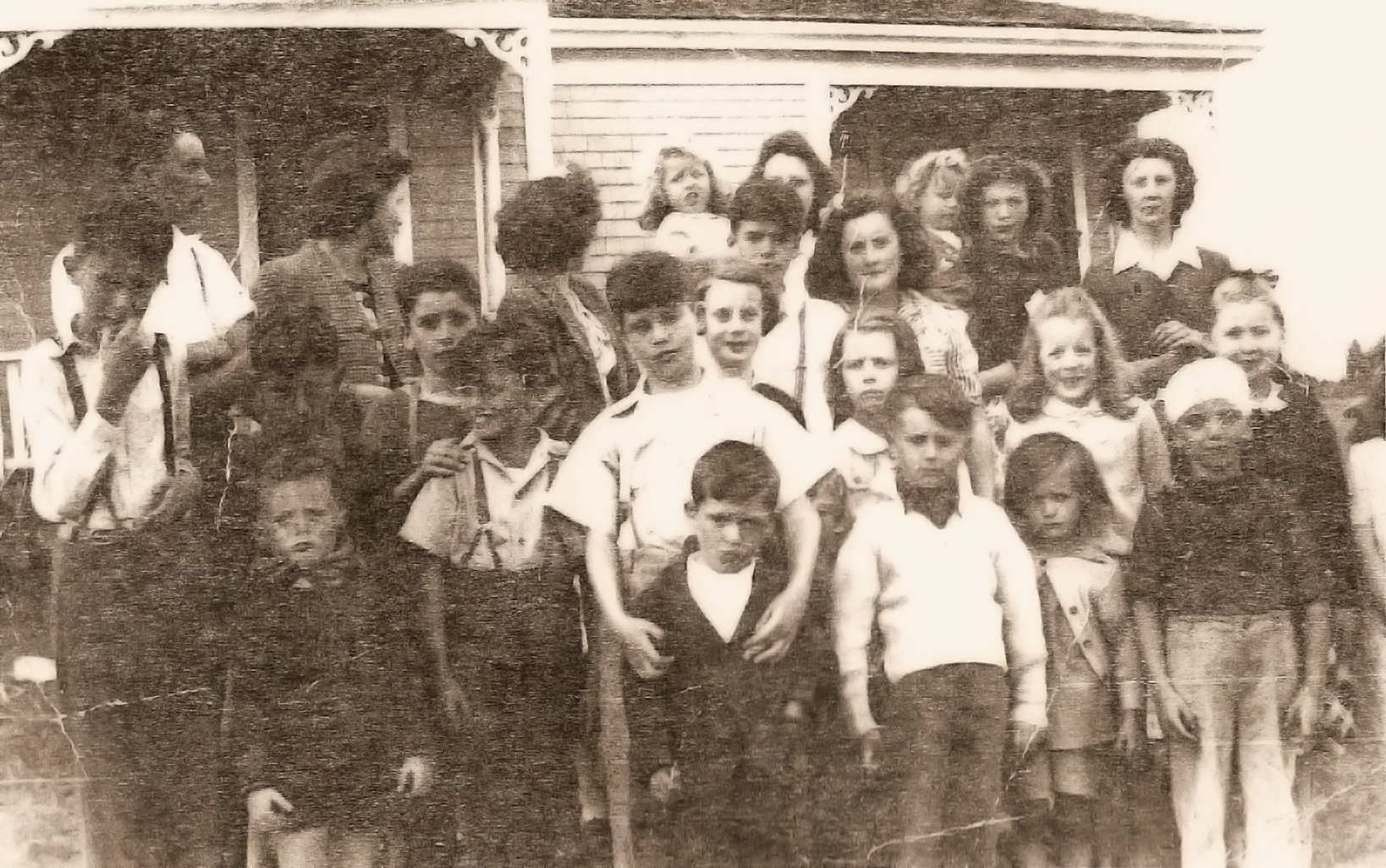
An Island Sunday school picnic
Chapter 6
The places that brought people together
Homes depended on institutions, and the institutions depended on the people who supported them. Roads led to wharves, the post office connected residents with the outside world, the school educated children, the church brought neighbours together, lighthouses and the life-saving station served mariners, and burial grounds preserved family memory.
The school, church, cemeteries, post office, wharves and lighthouses all served families who made their homes on the Island.
Island families supported these services and gathering places, and in turn relied on them to live on the Island year-round.
Chapter 7
Gaelic in community life
A Gaelic newspaper and a Gaelic book connect the Island to a wider reading culture, while the 1901 census gives a remarkable measure: 137 of 159 residents were recorded with Gaelic as their mother tongue, compared with twenty-two recorded with English. Those entries are a census category, not a fluency test.
Gaelic was part of Island life. Newspapers, a Gaelic book and the 1901 census offer glimpses of its place in the community. That census recorded Gaelic as the mother tongue of 137 of 159 residents and English for the other 22.
The records do not tell us how fluently each person spoke Gaelic, how often they used it or who the last speaker was. The 1921 census counted 228 residents, but its language question cannot provide a comparable Gaelic count for British or Scotch-origin Islanders.
Language, reading, and memory
Gaelic on Pictou Island
A Gaelic newspaper, a treasured book, census records and Island memories offer glimpses of a language that was part of community life for generations.
A newspaper connection at “Eilean Phictou”
The Gaelic newspaper Mac-Talla acknowledged Eoghan Mac Gilleain of Eilean Phictou on 18 August 1894 and again on 5 August 1898. The entries name a payer connected with Pictou Island. They do not tell us whether he read the paper or identify his household or English-language name.
Big Evan Maclean’s Gaelic book
Gaelic scholar Alexander Maclean Sinclair recorded that a Gaelic book had belonged to “Big Evan Maclean in Pictou Island” and that he received it from Evan’s wife. The book came from the Island, but we do not know whether Big Evan and the Mac-Talla subscriber were the same person.
Census of Canada · 31 March 1901
137 of 159 residents were recorded with Gaelic as their mother tongue
The other 22 residents were recorded with English. Column 33 asked for a person’s native language if spoken, whether fluently or not. The entries therefore demonstrate Gaelic’s broad reach across the Island community, but they are not a fluency test and do not tell us which language each resident used most often.
| Page | Lines | Gaelic | English | Entry sequence | Manuscript |
|---|---|---|---|---|---|
| 1 | 1–50 | 49 | 1 | Gaelic 1–24 · English 25 · Gaelic 26–50 | Open page 1 ↗ |
| 2 | 1–50 | 48 | 2 | Gaelic 1–17 · English 18–19 · Gaelic 20–50 | Open page 2 ↗ |
| 3 | 1–50 | 38 | 12 | Gaelic 1–13 · English 14–16 · Gaelic 17–39 · English 40–48 · Gaelic 49–50 | Open page 3 ↗ |
| 4 | 1–9 | 2 | 7 | English 1–3 · Gaelic 4–5 · English 6–9 | Open page 4 ↗ |
| Total | 137 | 22 | 137 + 22 = 159 | ||
Letters, readers and a newspaper network
On 3 June 1893, Mac-Talla published an extract from an unnamed Pictou Island subscriber’s letter. The writer welcomed a Gaelic newspaper, thanked Dr Blair for historical accounts and sent money for another year. The subscriber’s name and household are unknown.
A visitor writing as Seumas A. Mac Ille-mhaoil described a short Island visit in Mac-Talla on 25 August 1894. He remembered hearing Gaelic and seeing women and men of different ages reading the paper. His letters, later scholarship and the 1901 census strongly identify him as James A. MacMillan of Wood Islands, Prince Edward Island.
Payment acknowledgements from 1893 to 1900 also use a designation understood as Mrs John MacLean. Her own name is not given, and it is uncertain whether all the entries refer to the same woman. Other Island entries name Eoghan Mac Gilleain in 1901 and Eobhan Mac Gilleain in 1902; their connection, if any, with Big Evan or Hugh MacLean remains unknown.
Gaelic and worship
Reports of the church’s opening weekend describe Gaelic and English services on Sunday, 16 October 1910. Eric Ross later wrote about a Gaelic communion in 1927, though a record from that time has not yet been found.
Hilton McCully remembered older members of the congregation enjoying a service led by a Gaelic speaker from Boularderie Island during his 1944–46 stay. He did not give the visitor’s name or the exact date, or say whether the whole service was in Gaelic.
Remembered speech and singing
In Pictou Island: Bha E Cho Snog, Hilton McCully remembered Campbell MacCallum using a Gaelic expression for weather too poor either to go out or stay in. McCully did not know whether Campbell had made it up or heard it elsewhere.
McCully also remembered Mac Patterson singing a short Gaelic song. Years later, he thought it was probably Calum Crubach, which he heard on a recording by Mary Jane Lamond; he remembered that she agreed. The exact recording and Patterson’s full identity remain uncertain. McCully’s English song-poem The Island Cannon Ball (Punch’s Boat), signed 1946, is a separate work.
An Island native speaking Gaelic in 1949
Neil Shaw recalled a Gaelic greeting from a ferry-steamer’s second engineer during an August 1949 journey from Caribou to Prince Edward Island. Writing in An Gaidheal / The Gael that December, Shaw described the unnamed engineer as a native of Pictou Island. A different crew member, a deckhand, was from Prince Edward Island and had Skye ancestry.
The meeting offers a glimpse of an Island native speaking Gaelic away from home. Shaw did not name the engineer or the vessel.
Oral history · 19 July 2018
Remembering the tail end of a Gaelic community
In a 2018 interview, David Harding remembered older Islanders he had known and fished with.
“The old people that we knew and fished with had grown up with Gaelic—they understood it and a few could speak a few words of it.”
— David Harding, July 19, 2018
Harding’s memory does not identify the speakers or tell us when Gaelic was last spoken on the Island. Read the interview overview →
Sources and further reading
Chapter 8
Population change
The Island’s population rose from 159 in 1901 to 195 in 1911 and 228 in 1921, before edging down to 224 in 1931.
Records count 159 residents in 1901, 195 in 1911, 228 in 1921 and 224 in 1931. The population fell sharply after the Second World War, and Island life changed considerably through the 1960s and 1970s.
Published government tables give counts of 206 in 1941, 140 in 1951, about 150 in 1956, 145 in 1961, 69 in 1971 and 37 in 1976. The boundaries and definitions used for the Island may vary, and the figures do not count every year.
The largest count shown here is 228, though the available figures do not establish an all-time peak. The Island community also includes seasonal residents, descendants and others who keep ties to the Island.
Pictou Island population through time
Explore selected documented counts. Move the slider or use your arrow keys to choose a year.
Federal census; manuscript verified.
These are selected observations, not annual counts. From 1941 onward, figures describe published named localities; boundaries and definitions may vary. The largest displayed count is not necessarily the Island’s all-time peak.
Sources and notes
- Nova Scotia Archives: 1838 census returns; PIHS reconciled the 17 Pictou Island household returns.
- Federal census manuscripts and published tables support the 1901–1931 resident figures. In 1931, 63 temporary non-residents were among 287 enumerated people.
- 1941 and 1951 named-place figures; 1956 and 1961; 1966 and 1971; 1976; 1981; 1986; 1991.
- 1827 and 1877 are published historical figures; their counting bases should be considered alongside the census sources.
Final chapter · chronology
Timeline
Explore key dates in this story and follow the links to read more. Approximate dates and uncertain identifications are noted.
The census records a Gaelic-speaking community
The census recorded Gaelic in Island households, though it cannot tell us how fluently each person spoke it.
The recorded population holds near 228
The census figures are 228 in 1921 and 224 in 1931; they do not establish an all-time population peak.
The population changes after the war
The recorded population was 140 in 1951, about 150 in 1956 and about 145 in 1961.
Regular Island classes end
Regular classes ended in 1971, with the broader education transition extending into 1972.
A smaller population remains a living community
The recorded population fell to 37 in 1976. People continued to live, fish, return and care for the Island.