This Island tradition tells of a young mother and child, a winter funeral, and unexplained signs. The surviving account does not identify its eyewitness sources. It is presented as a story, not a documentary reconstruction.
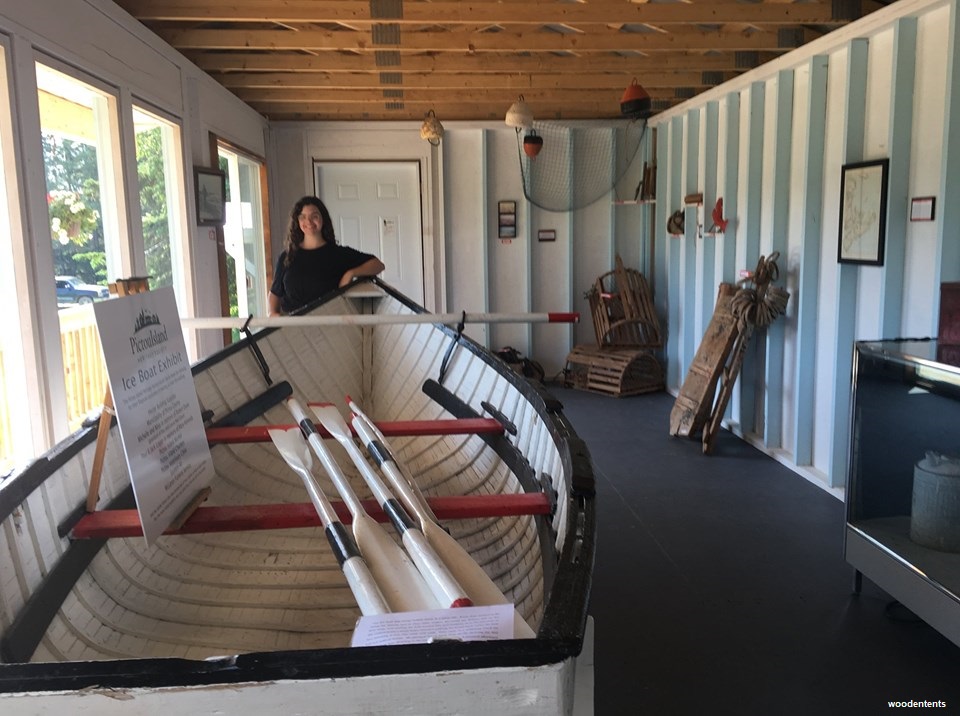
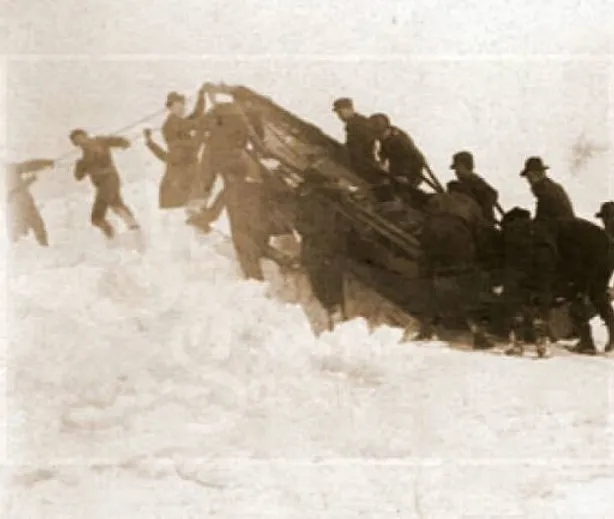
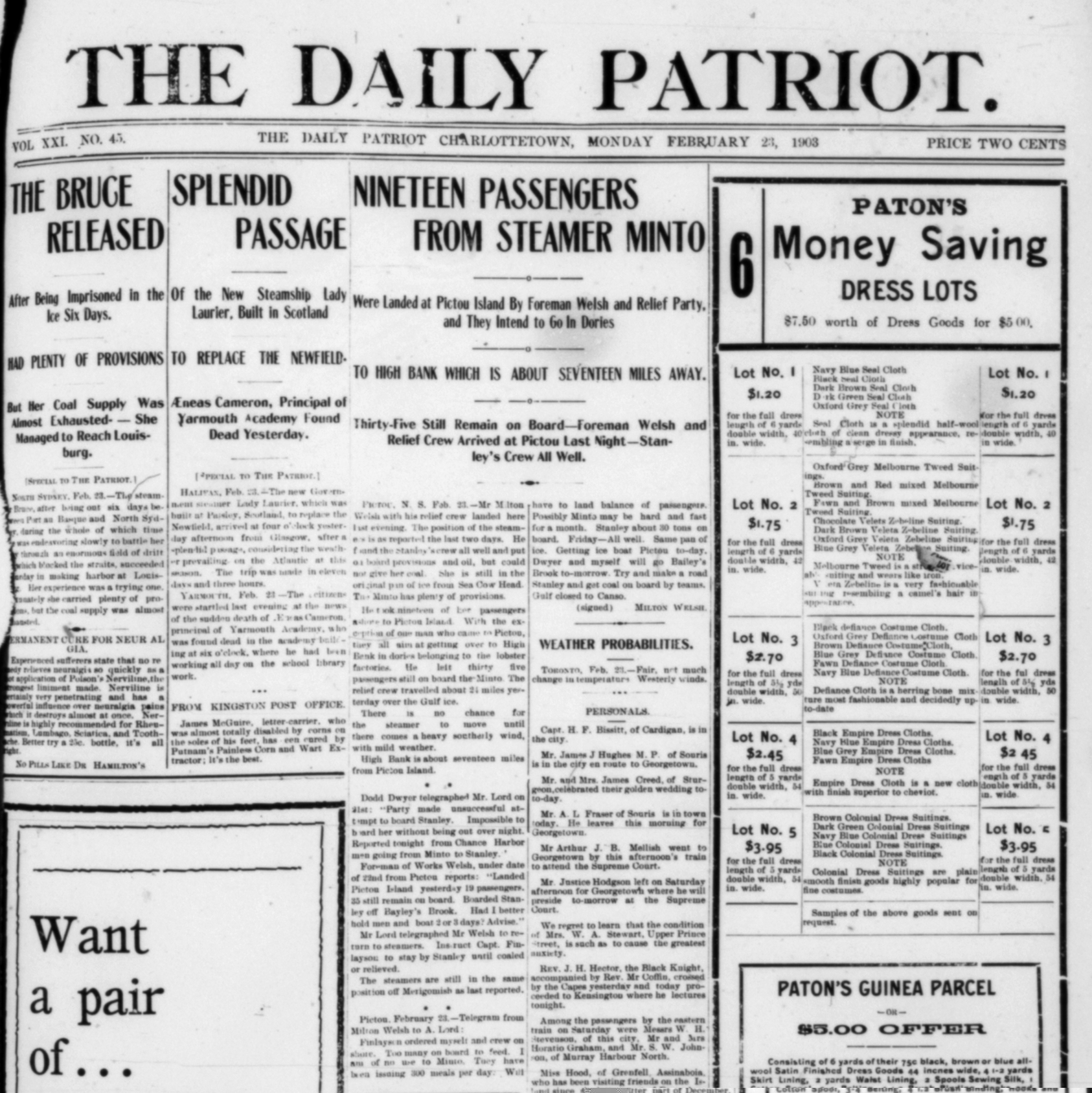
In this version, a young Island woman, still in her parents’ home and said to be 18, was due to give birth. Their house was generally considered to be haunted by ghosts who had followed from the old country (Scotland). The Island nurse, attending each evening as her time grew near, feared this was going to be a difficult birth, but the Strait was so full of February ice that even the man-powered iceboat was travelling only as conditions permitted. The difficult, hours-long trip to the mainland would be impossible for a young lady so late in her pregnancy, never mind in labour.
Continue reading
The story continues: one night, after her regular visit, as the nurse walked down the lane to the main road, the girl’s mother watched in fear as a ball of fire followed her. The very next day, labour began, and three difficult days later, a son was born. Tragically, he passed before the day was done. While women on the Island were experienced with labour and delivery, a C-section was out of the question and, due to complications of the difficult labour, the young mother also passed away two days later.
In the telling, the Island nurse prepared the mother and child for the funeral and laid them out in the casket that had been assembled. Tradition dictated that the remains be kept at home and, to guard the newly deceased from the Devil, that they should not be left alone. The nurse took the first shift and, as she sat reading her book, a black cat with no tail enter the room and scurried under the casket. For a superstitious Islander, there was nothing worse than a black cat, but try as she might, she was unable to locate the cat - it had simply disappeared.
The next night in the story, two gentlemen, described as respected members of the community, were to sit with the remains. The night was uneventful, but just before sunrise, the men heard the sound of chains scraping on the outside of the house, a certain sign of the Devil. They ran for the door, and it is said that they did not stop running until they reached their respective homes.
In this version, the funeral was set for that morning, which dawned a beautiful day, sunny and warm for February. The church was seldom used for services in the winter as it could not be easily heated, so the community gathered at the family’s home. With no minister during the winter months, the nurse and the teacher prepared to lead the service. As they began, the flue suddenly went on fire and balls of flame fell from the chimney and exploded from the fireplace. Though they landed on people, they were strangely cold and did not burn. As suddenly as it had begun, the fire went out, and the service was concluded.
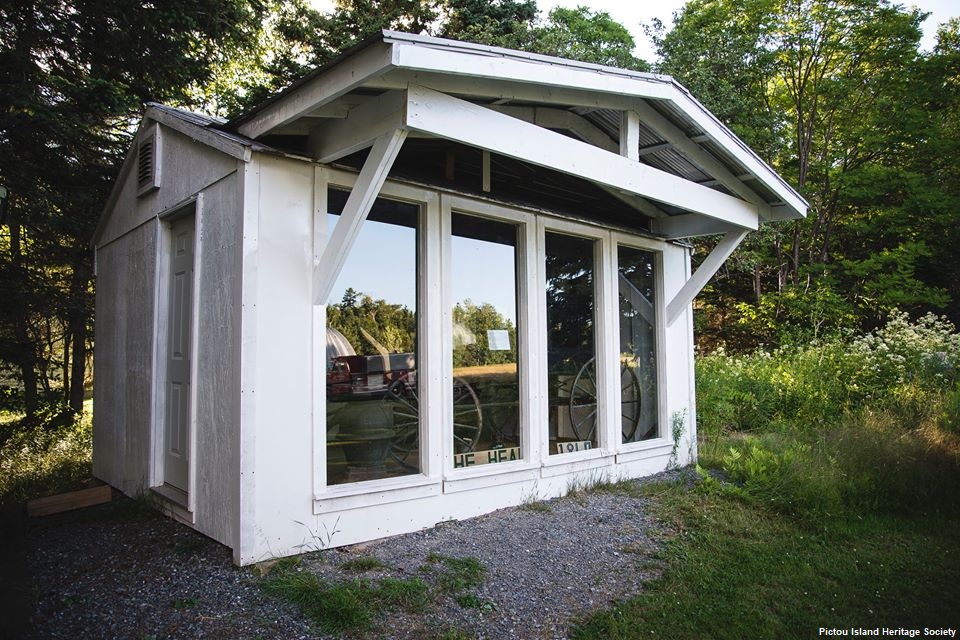
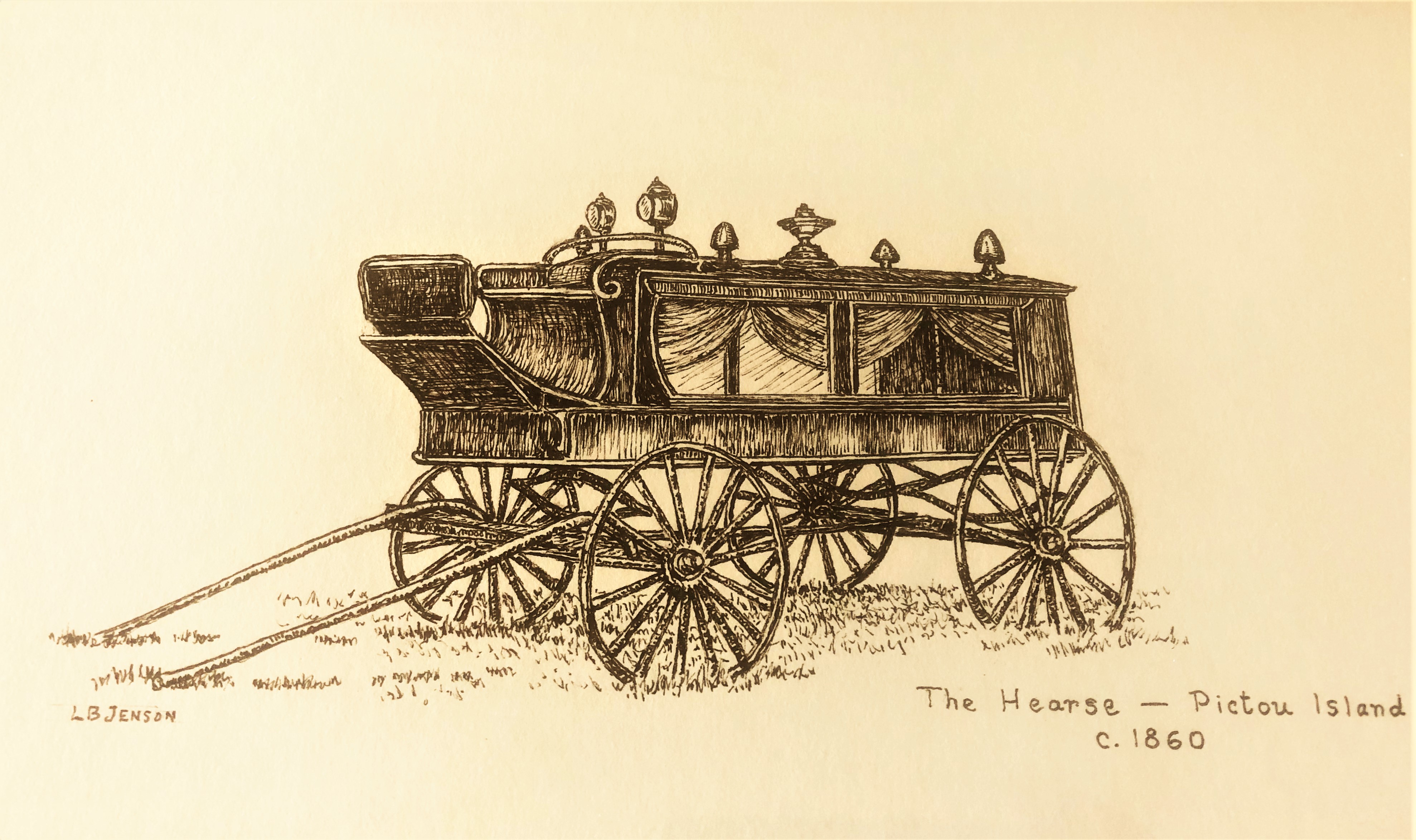
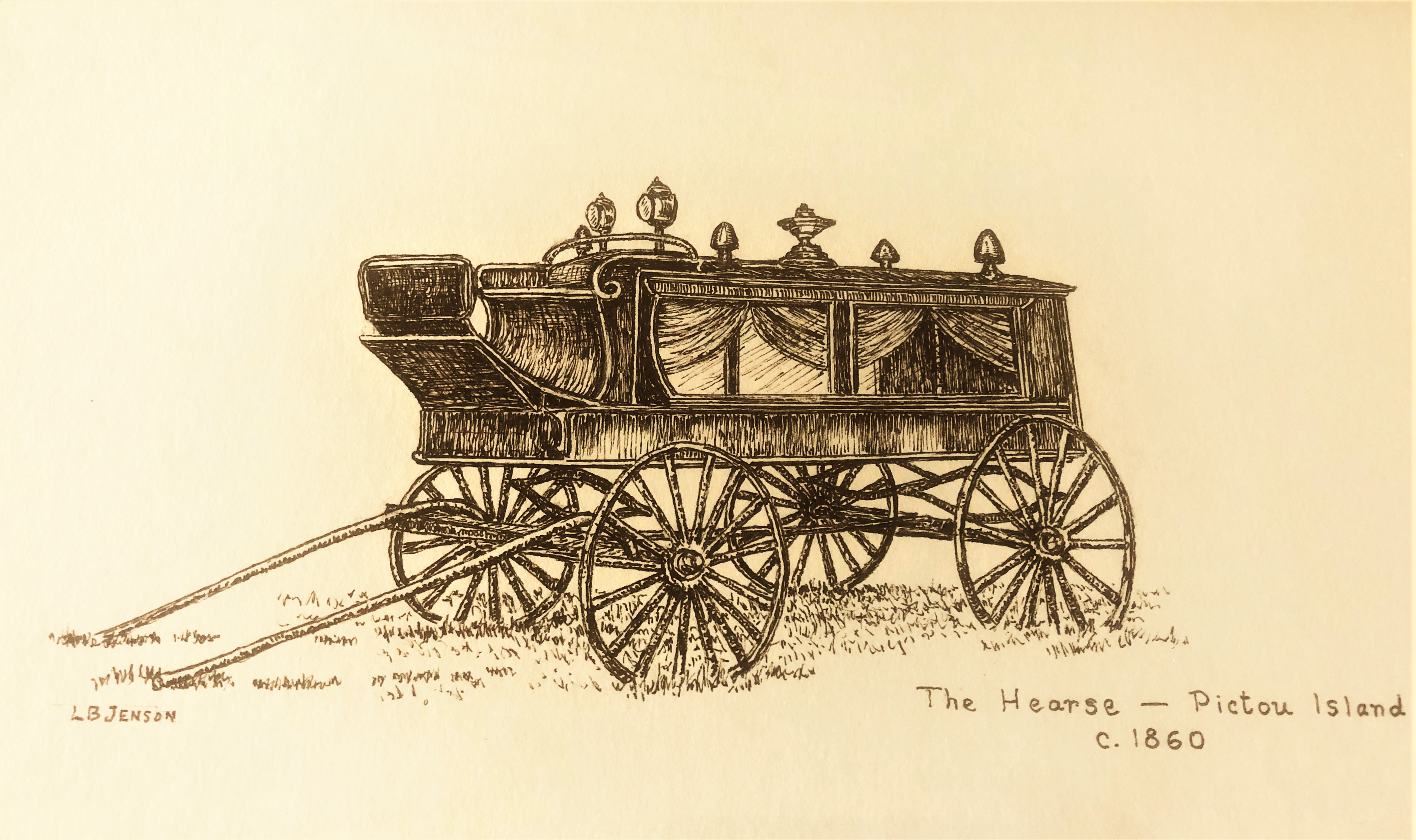
The story describes the pallbearers moving the casket to the front door. Outside a young white mare, hitched to the Island’s hearse, pawed at the snow as she waited. Strangely, try as they might, no one could open the front door. After some struggle, they had no choice but to remove a window and pass the casket out. Once loaded, the hearse proceeded to the cemetery with the pall bearers walking along side. Women seldom made this journey because, given the distance and the winter conditions, it was a difficult trip. About halfway to the cemetery, a wind picked up and snow began to fall - the wind built to hurricane force and the mare struggled to haul the hearse along the frozen, rutted road to the cemetery where a gravesite had been prepared earlier. (With no refrigeration, waiting until spring was not an option, so the islanders would build a fire on the proposed site to thaw the frost and then dig the grave by hand). Upon arriving, they found the hole filled with snow that needed to be shovelled out before the casket was lowered. By the time the casket was in place, the men were all exhausted and, given the terrible conditions, it was agreed they would close the grave the next morning. When they got back to the house, the pall bearers found the front door, that had been strangely stuck, was wide open. Then, as quickly as the storm arose, it fell away.
The tale continues at dawn the next morning: with visions of spirits swirling about the open hole, a crew set out to close the grave. To their surprise, when they arrived at the cemetery, it had already been filled in. By whom? Nobody knows. Just a few days later, the young white mare unexpectedly fell over dead - the teller suggests that the effort of hauling the hearse may have caused it, but the cause is not established. Surely there is a natural explanation for what transpired around this tragic loss of a young mother and her son—but for the islanders, it remains a mystery.
The story says that no marker survives for the young mother and child. PIHS has not independently established their identities or burial locations.
Documentary cemetery history, memorial inscriptions and the surviving hearse can be explored through the related history links. They are separate from the supernatural details of this telling.








 Enlarge & zoom
