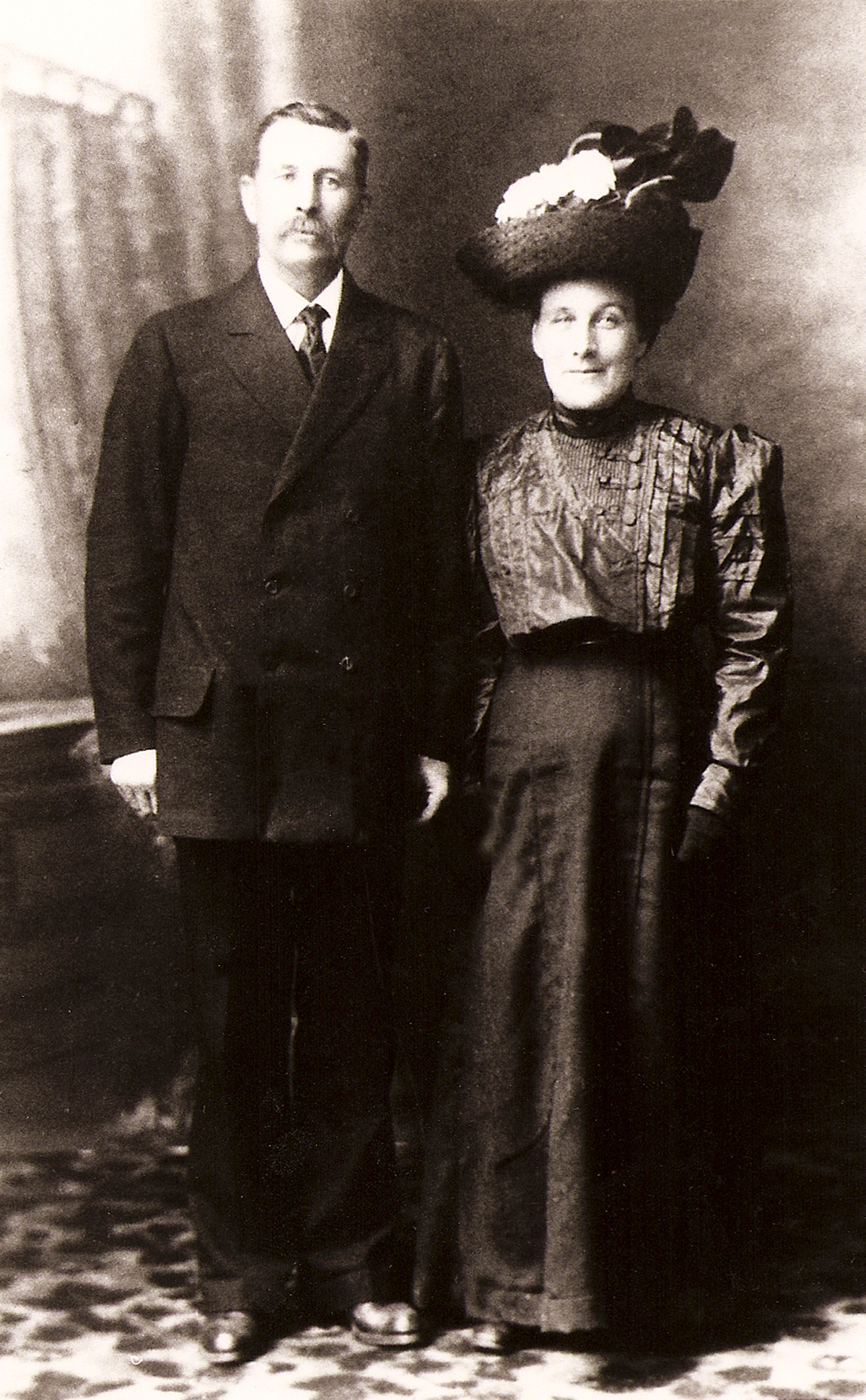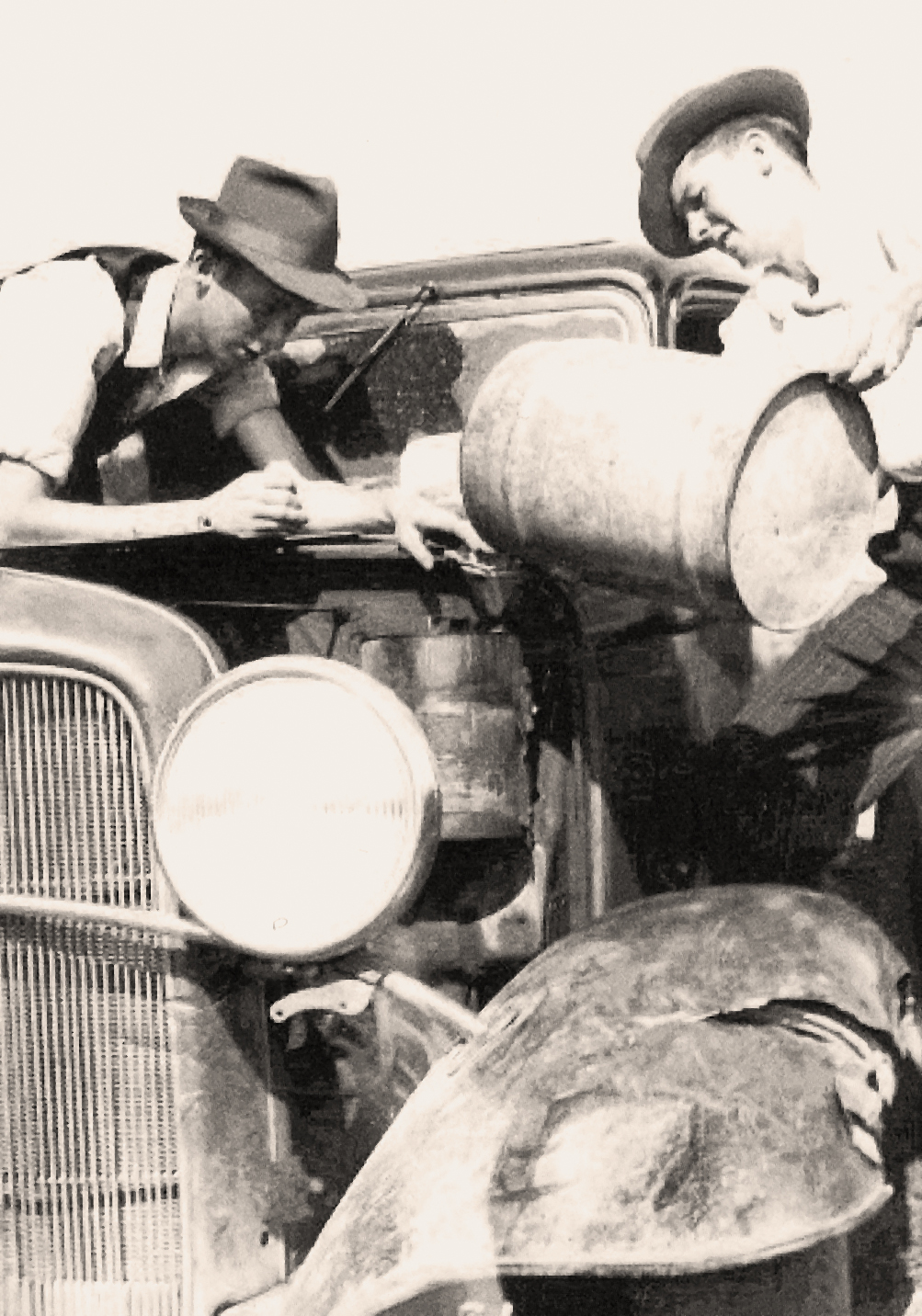
Walk across Pictou Island today and it can be difficult to picture the roads, fields and gathering places of a larger year-round community. Yet the records tell us that children filled classrooms, farms raised food and livestock, boats worked the fishing grounds, and islanders sustained churches, a hall, stores, mail connections and public services.
This exhibit does not treat the census as the whole story. Numbers tell us how many people were counted; photographs, household records and remembered lives help explain what those people did. Explore an island that once supported a complex community—and the family connections and places through which it can still be understood.
Chapter 1
An island of households
Pictou Island did not spring into being as a settled community on one recorded day. Patterson’s later account links the Cochrane estate with early families around 1814, while a more durable Highland Scottish settlement stream began around 1819.
Households formed through stages, not a single founding event. Retrospective accounts place a Cochrane-directed family settlement effort at about 1814, followed by a durable Highland Scottish settlement stream beginning around 1819. Kenneth McKenzie follows in 1820.
By 1827, Island-level published agricultural data recorded 59 residents and 116 cultivated acres with mixed crops and livestock; a later deed referred to a 10 May 1830 division plan; William MacKay’s 1834 map included panel V124a; and the verified 1838 return recorded 119 residents represented by 17 named household heads.
These milestones show settlement becoming organized and durable without proving every migration route, household relationship, original lot assignment or later family tradition. By the nineteenth and early twentieth centuries, households were connected by family ties, roads, shore landings, institutions and the sea.
 Enlarge & zoom
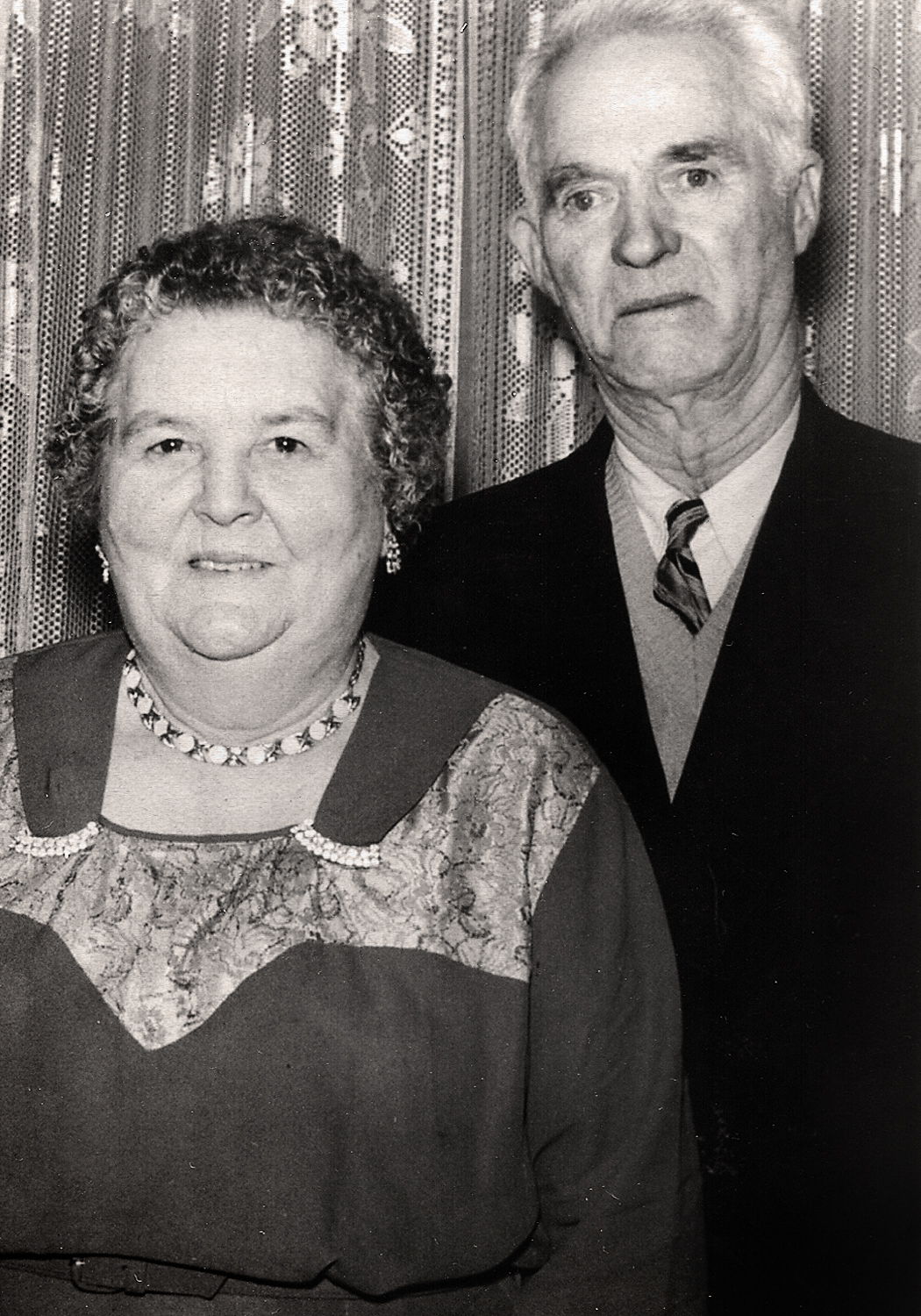
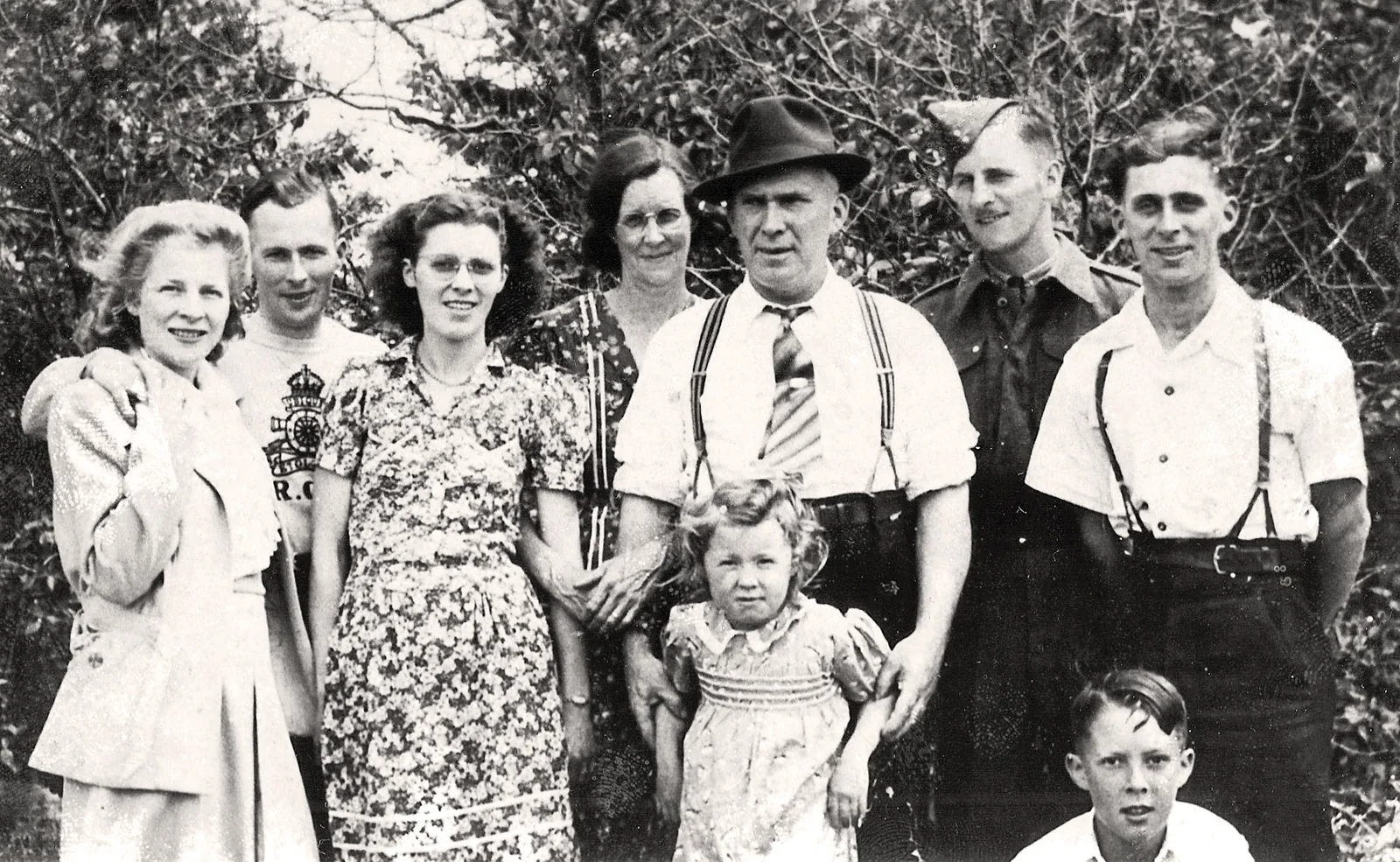
Hooper family photograph
Chapter 2
Family names become a community
Family names recur in census pages, cemetery stones, fishing records, deeds and letters. Those records illuminate a community, while each claimed family relationship still requires its own evidence.
Recurring family names connect census records, deeds, lighthouse service, fishing, farming, church life, school records, transportation and cemetery inscriptions.
Those records reveal relationships at particular dates, but they do not form an exhaustive genealogy or prove that everyone sharing a surname belonged to one household or line.
The Hooper records show how a household can be followed across different sources. In 1911, James Hooper appears as head, Dollie as wife and infant Lenord as son. In 1931, James and Dolina appear together in Unit 12, while Len and Roland are recorded in Unit 13. June Elaine Hooper’s 1945 marriage record names James Hooper and Delina MacCallum as her parents. The records preserve the variants Dollie, Dolina and Delina, and Lenord and Len; they do not establish a relationship to every other Island Hooper family.
Chapter 3
Work was everywhere
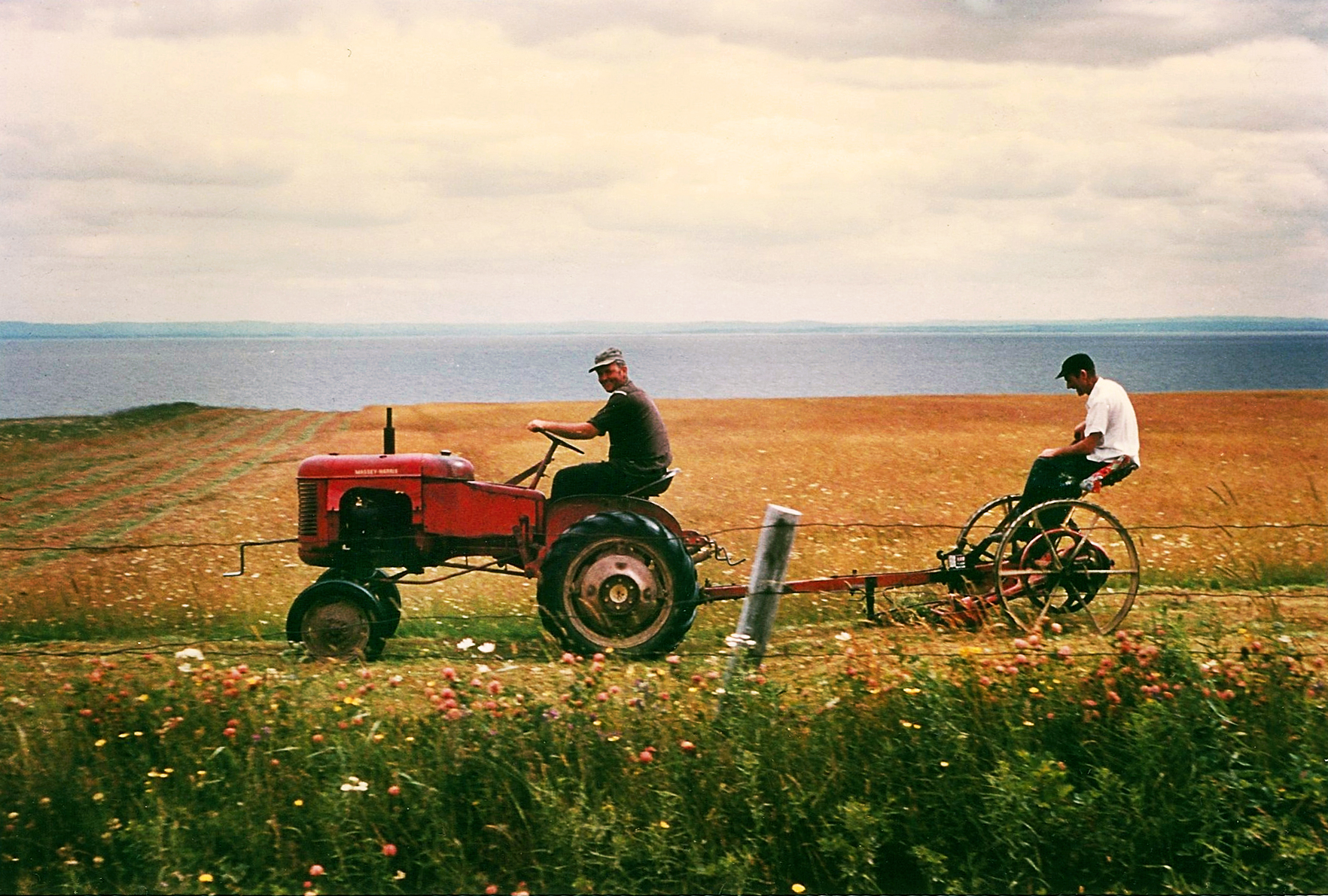
There were boats to tend, fields to mow, animals to feed, traps to prepare, homes to maintain and goods to bring across the Strait. A 1907 visitor described farming alongside fishing; the 1931 occupation records show both important to the economy.
A functioning community depended on overlapping work: farming and food production, fishing and lobster processing, lighthouse keeping, transportation, mail, domestic labour, trades and shared responsibilities.
In April 1907, Evangeline Heartz described farming alongside fishing as ordinary parts of Island life. Her visitor account adds a contemporary glimpse of this mixed economy, without counting farms or measuring production.
Island households combined paid, seasonal, subsistence and unpaid family labour. No single industry explains how a year-round community was sustained.
The completed 1931 residency reconstruction distinguishes 224 residents from 63 temporary non-residents among 287 enumerated person-lines. Fishing and farming both sustained the permanent community, while temporary fishing labour added another layer of work. The raw enumeration is not a resident-workforce denominator.
 Enlarge & zoom
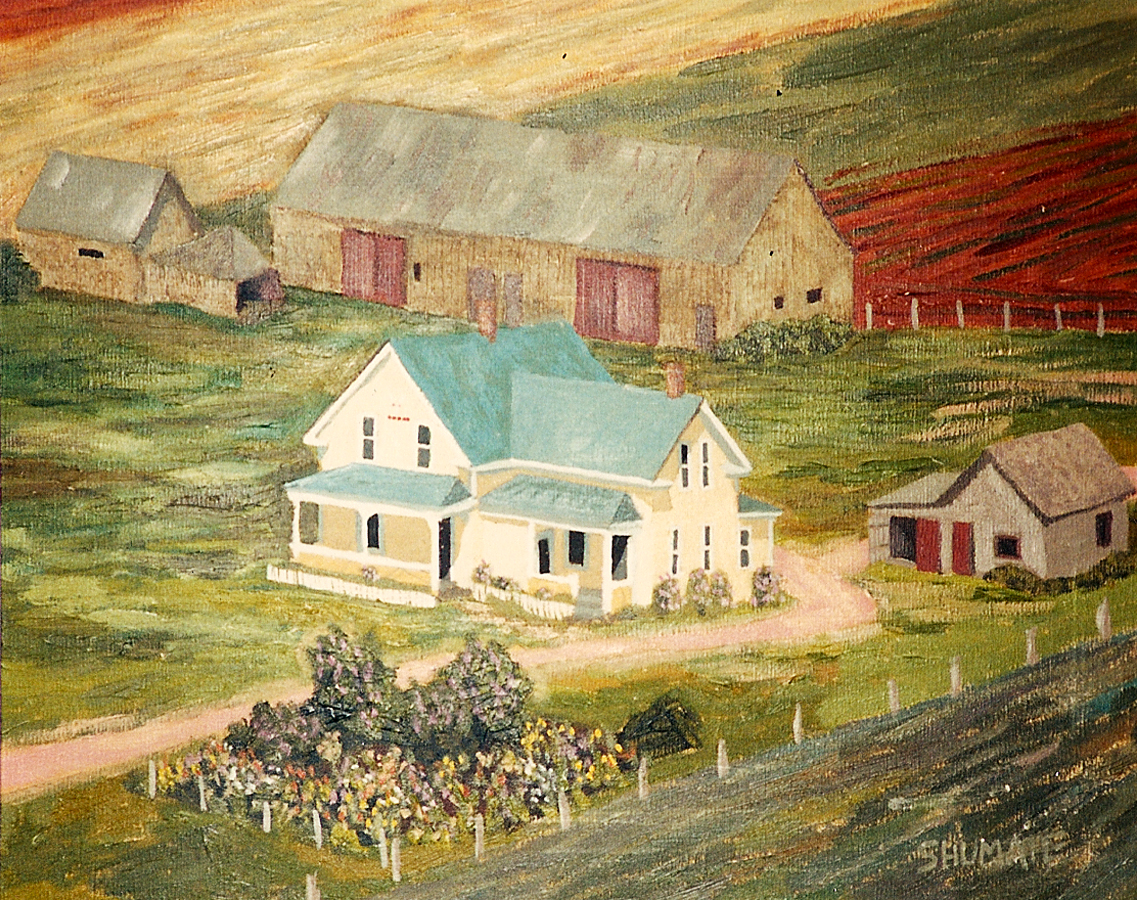
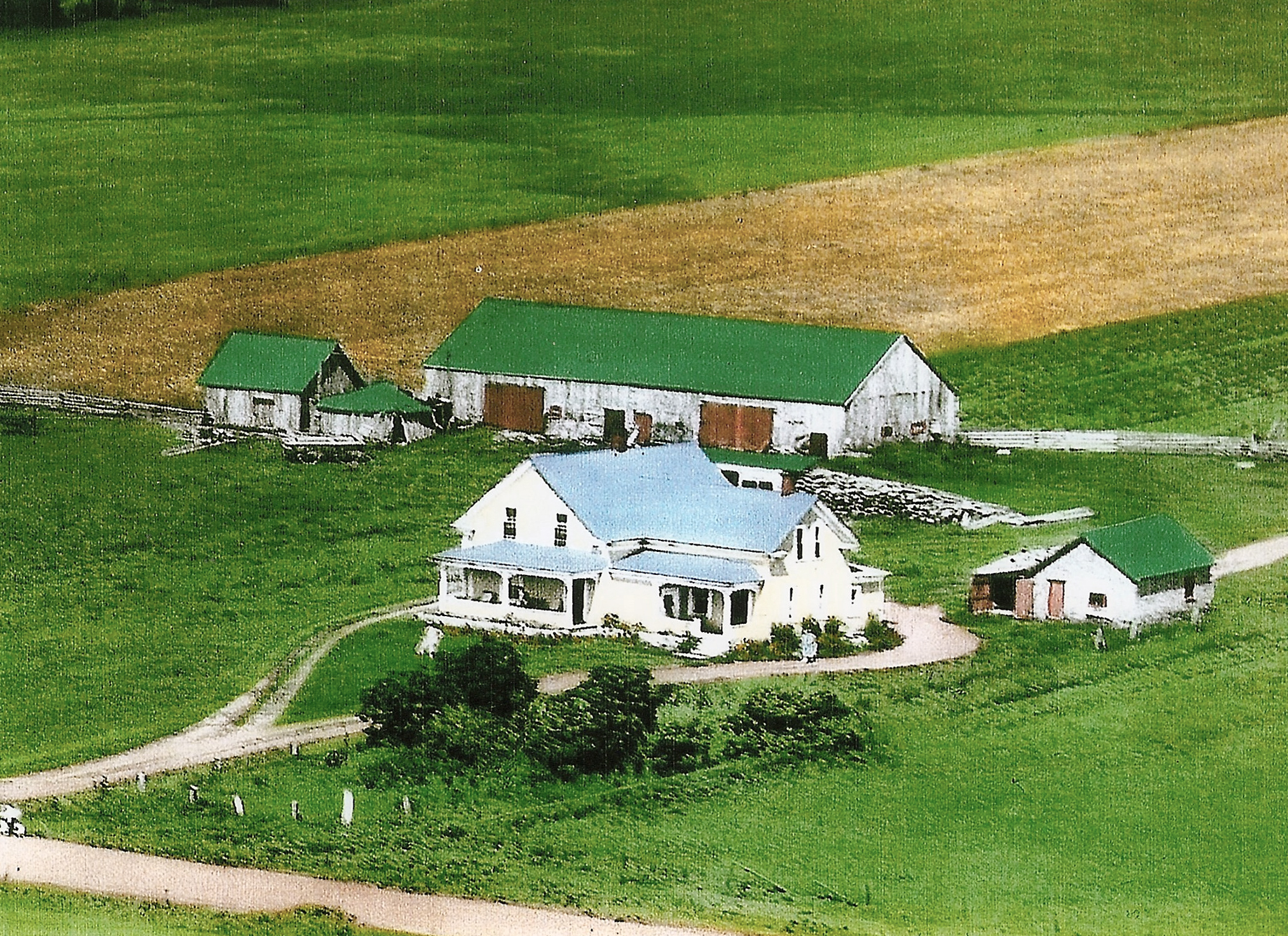
An aerial view of the Jack and Mary Rankin farm
Chapter 4
Children, school and the future
A community with children needed teaching spaces and people to teach them. School records and local accounts trace changing buildings, generations of pupils and the place of education in Island life.
Successive Island schools, generations of children and the present community-centre building connect family life with the Island’s future.
On 11 February 1845, the Assembly Journal recorded Island settlers petitioning for aid for a school, breakwater and road. The petition was ordered to lie on the table; the entry does not prove funding or completed construction. Original education reports record no school operating during the year ended 31 October 1882, then a comfortable schoolhouse erected in summer 1884 and a school operating the following winter. These contemporary records do not settle the earlier reported 1874 fire or identify the present building.
Hilton McCully remembered teaching 18 or 19 children, from Primary through Grade 10, in the Island’s one-room school during 1944–45 and 1945–46. He described an uninsulated building, demanding winter stove tending and everyday repairs. These are his recollections, not an exact administrative enrolment return. PIHS local knowledge identifies that school’s footprint with the present Community Centre at 783 Pictou Island Road, although the later building represents a different generation.
Evangeline Heartz’s account in the Pictou Advocate on 16 April 1907 confirms a school operating on the Island. It does not identify which school building she saw or its footprint.
The provincial school directory for 1957–58 lists one teacher and approximately 37 pupils at Pictou Island, Section 57. The 1959–60 directory lists one teacher, grades Primary to 9, and 28 pupils. These records show a school in operation; they do not establish when its building was constructed.
The exact early-school fire and construction chronology, the 1936–38 teacher conflict, the attributed 1958 building history and the reported 1985 reopening date remain qualified. Regular public-school classes ended in 1971; 1972 belongs to the broader closure transition.
Chapter 5
The social island
Islanders made time for worship, picnics, singing, dances, jokes, card games and community events. By April 1907 there was a hall as well as a school and post office; when travellers from Stanley were stranded in March, a professional troupe performed in the post office rather than the hall.
Heartz’s Pictou Advocate account confirms a hall existed by 16 April 1907. The construction period remains bracketed between the reported 1898 land transaction and April 1907; the deed is still needed to establish the earlier part of that history. The March comedy performance took place at the post office; Heartz’s mention of a hall does not place the performance there.
News, music, humour, nicknames, stories, dances and gatherings joined households beyond work and institutions.
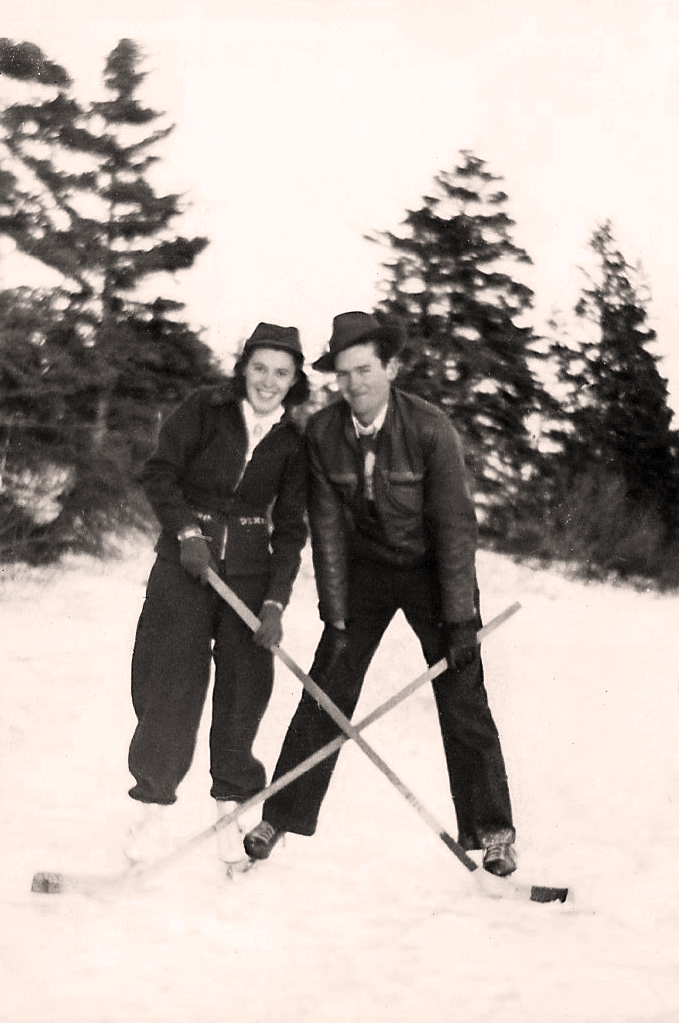
In his 1975 account, Roland H. Sherwood recalled “Little Duncan,” “Big Duncan” and “Jack Happy,” and described the late “Punch” Patterson as a celebrated storyteller. He wrote about household music, dances, frolics, socials, weddings, birthdays, funerals, evening visits and fireside storytelling, as well as local songs about wrecks and rescues. His statement that some form of musical instrument could be found in every home is an attributed recollection, not a household census. Ruth Munro also connected Chester R. MacCallum with farming, an early ferry partnership and Island hockey, bringing work and recreation together in one named life.
Punch Patterson and Eddie Glover appear in the historic iceboat photograph record. Jack ‘Happy’ MacDonald connects cannery work, fishing, West Lighthouse service and the attributed 1945 emergency. In March 1907, Jere McAuliffe’s stranded company performed in the Island post office—reported at the time as the Island’s first theatrical performance.
These are relationship pathways, not proof that every person attended every event or that a nickname identifies one person without a controlling record.
 Enlarge & zoom
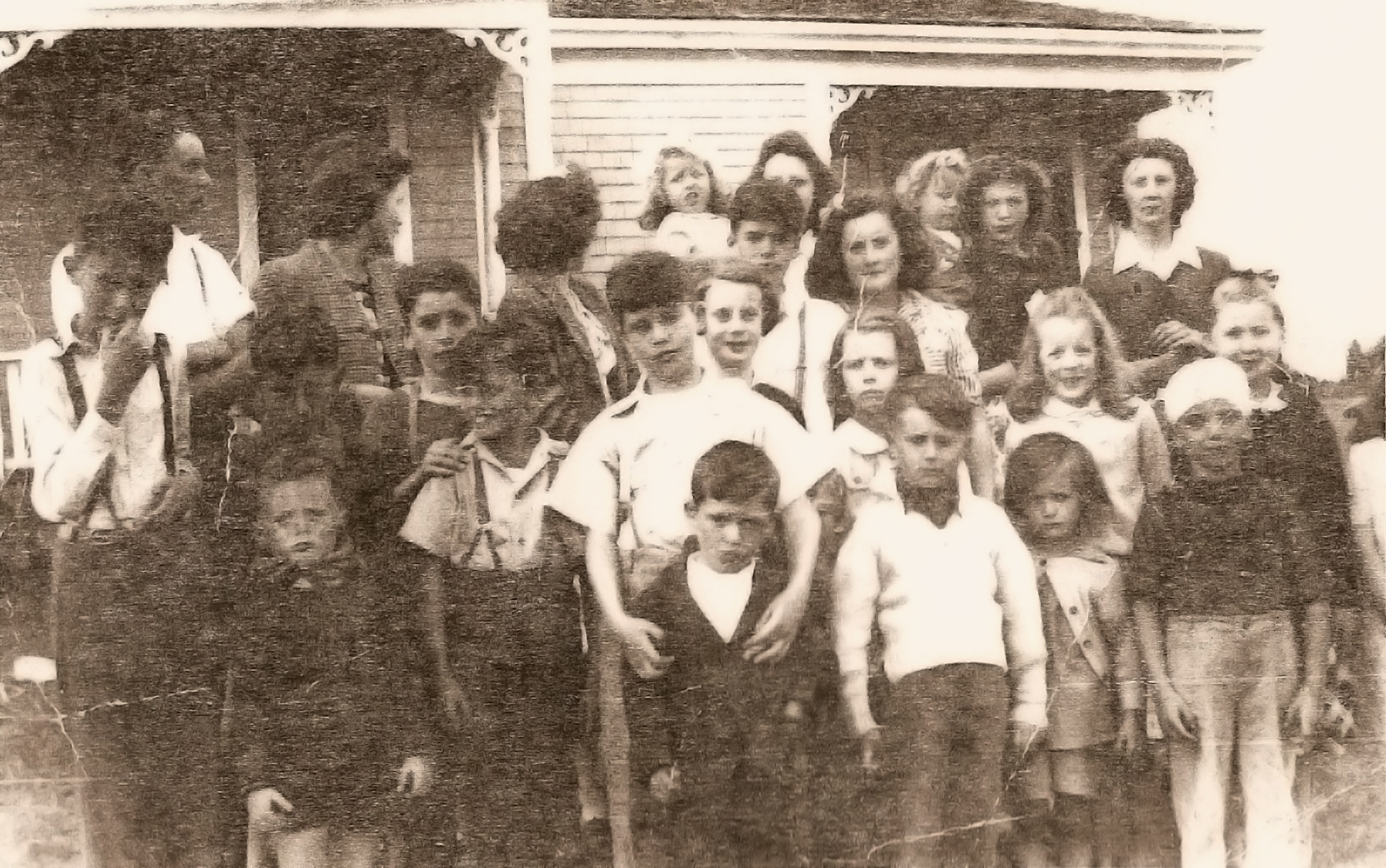
An Island Sunday school picnic
Chapter 6
A community needs institutions
Homes depended on institutions, and the institutions depended on the people who supported them. Roads led to wharves, the post office connected residents with the outside world, the school educated children, the church brought neighbours together, lighthouses and the life-saving station served mariners, and burial grounds preserved family memory.
Worship, burial grounds, schooling, mail, transportation, navigation aids, commercial fishing infrastructure and gathering places served a substantial permanent population.
Households sustained those institutions, and the institutions helped households remain on the Island year-round. Their relationship was reciprocal rather than hierarchical.
Chapter 7
Gaelic in community life
A Gaelic newspaper and a Gaelic book connect the Island to a wider reading culture, while the 1901 census gives a remarkable measure: 137 of 159 residents were recorded with Gaelic as their mother tongue, compared with twenty-two recorded with English. Those entries are a census category, not a fluency test.
An 1898 reading record, Gaelic-book provenance and the 1901 census place Gaelic firmly within island life. In 1901, 137 of 159 residents were recorded with Gaelic as their mother tongue and 22 with English.
These records document continuity without proving individual fluency, daily language use or the identity of a final speaker. The verified 1921 population of 228 is not a language count; its mother-tongue question cannot provide a comparable Gaelic count for British/Scotch-origin Islanders.
Language, reading, and memory
Gaelic on Pictou Island
The surviving evidence does more than associate Gaelic with Scottish ancestry. It documents a Gaelic newspaper connection, a Gaelic book, a census result, and a later Islander’s memory—while leaving fluency, individual identity, and the language’s final years open.
A reader at “Eilean Phictou”
The Gaelic newspaper Mac-Talla printed “Eoghan Mac Gilleain, Eilean Phictou, N.S.” in a subscription list. The entry directly connects a named Gaelic reader with Pictou Island, but does not identify his household or English-language record.
Big Evan Maclean’s Gaelic book
Gaelic scholar Alexander Maclean Sinclair recorded that a Gaelic book had belonged to “Big Evan Maclean in Pictou Island” and that he received it from Evan’s wife. The book establishes Island provenance; it does not prove that Big Evan and the Mac-Talla subscriber were the same man.
Census of Canada · 31 March 1901
137 of 159 residents were recorded with Gaelic as their mother tongue
The other 22 residents were recorded with English. Column 33 asked for a person’s native language if spoken, whether fluently or not. The entries therefore demonstrate Gaelic’s broad reach across the Island community, but they are not a fluency test and do not tell us which language each resident used most often.
| Page | Lines | Gaelic | English | Entry sequence | Manuscript |
|---|---|---|---|---|---|
| 1 | 1–50 | 49 | 1 | Gaelic 1–24 · English 25 · Gaelic 26–50 | Open page 1 ↗ |
| 2 | 1–50 | 48 | 2 | Gaelic 1–17 · English 18–19 · Gaelic 20–50 | Open page 2 ↗ |
| 3 | 1–50 | 38 | 12 | Gaelic 1–13 · English 14–16 · Gaelic 17–39 · English 40–48 · Gaelic 49–50 | Open page 3 ↗ |
| 4 | 1–9 | 2 | 7 | English 1–3 · Gaelic 4–5 · English 6–9 | Open page 4 ↗ |
| Total | 137 | 22 | 137 + 22 = 159 | ||
Oral history · 19 July 2018
Remembering the tail end of a Gaelic community
In a 2018 interview, David Harding recalled older Islanders whom he knew and fished with. His recollection adds later community memory to the documentary record.
“The old people that we knew and fished with had grown up with Gaelic—they understood it and a few could speak a few words of it.”
— David Harding, July 19, 2018
This is Harding’s attributed recollection. It does not identify the speakers, establish fluency or frequency of use, or supply a final date for Gaelic on the Island. Read the interview overview →
Sources and manuscript evidence
Chapter 8
Population change
The Island population did not rise and fall in one straight line. The verified sequence records 159 residents in 1901, 195 in 1911, 228 in 1921 and 224 in 1931.
The selected evidence records 159 residents in 1901, 195 in 1911, 228 in 1921 and 224 in 1931, followed by a major postwar contraction by 1951 and severe restructuring through the 1960s and 1970s.
Published census points give 206 in 1941 and 140 in 1951. A dated historical account gives about 150 in 1956; later figures recorded by PIHS give 145 in 1961, 69 in 1971 and 37 in 1976; their original census tables have not yet been located. These sources do not form a continuous Island-only census series.
Although 228 is the largest verified count displayed here, the incomplete long-run series does not prove an absolute all-time peak. Census residents are also not the whole community of seasonal residents, descendants and people retaining Island ties.
Recorded population, 1827–1976
The selected points combine census counts, historical figures for 1827 and about 1956, and later figures recorded by PIHS for 1961, 1971 and 1976. The original census tables for those later figures have not yet been located. The points do not form a continuous annual census series.
Reading the graph: 228 is the largest verified count displayed, but gaps in the long-run evidence mean it should not be called the Island's absolute all-time peak.
Final chapter · chronology
Timeline
Explore key dates in this story and follow the links to read more. Approximate dates and uncertain identifications are noted.
The census records a Gaelic-speaking community
The 1901 language column is used as a documented population-language point, not as proof of a final speaker or universal fluency.
The recorded population holds near 228
The census figures are 228 in 1921 and 224 in 1931; they do not establish an all-time population peak.
The postwar contraction becomes clear
Recorded figures fall to 140 in 1951, with PIHS accounts placing later estimates around 150 in 1956 and 145 in 1961.
Regular Island classes end
Regular classes ended in 1971, with the broader education transition extending into 1972.
A smaller population remains a living community
The recorded population reached 37 in 1976, while residence, return, fishing, seasonal ties and stewardship continued.